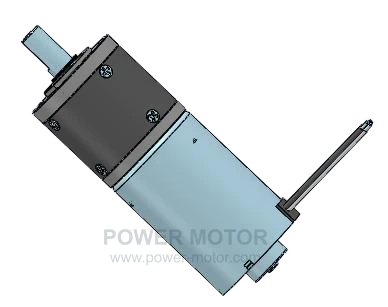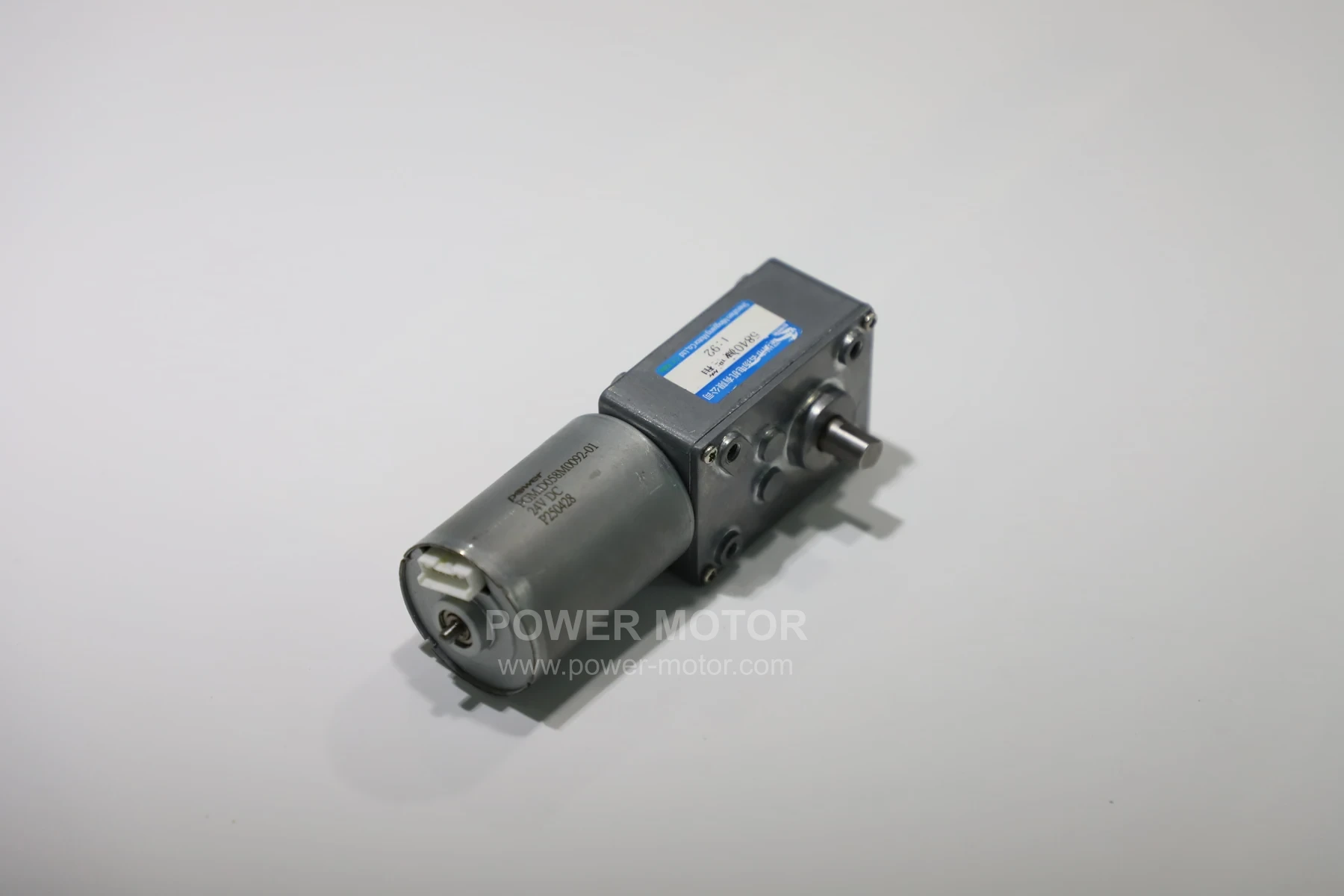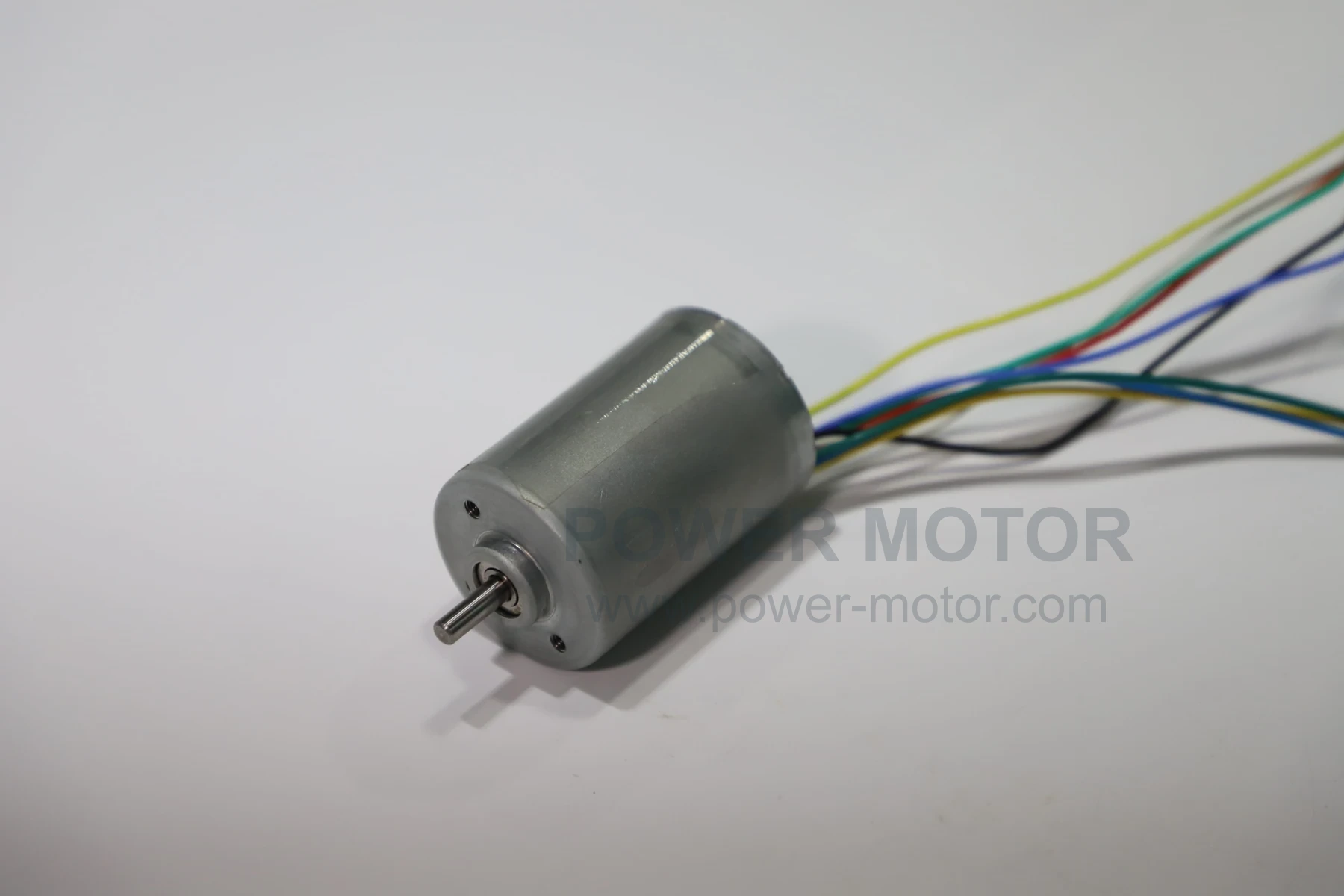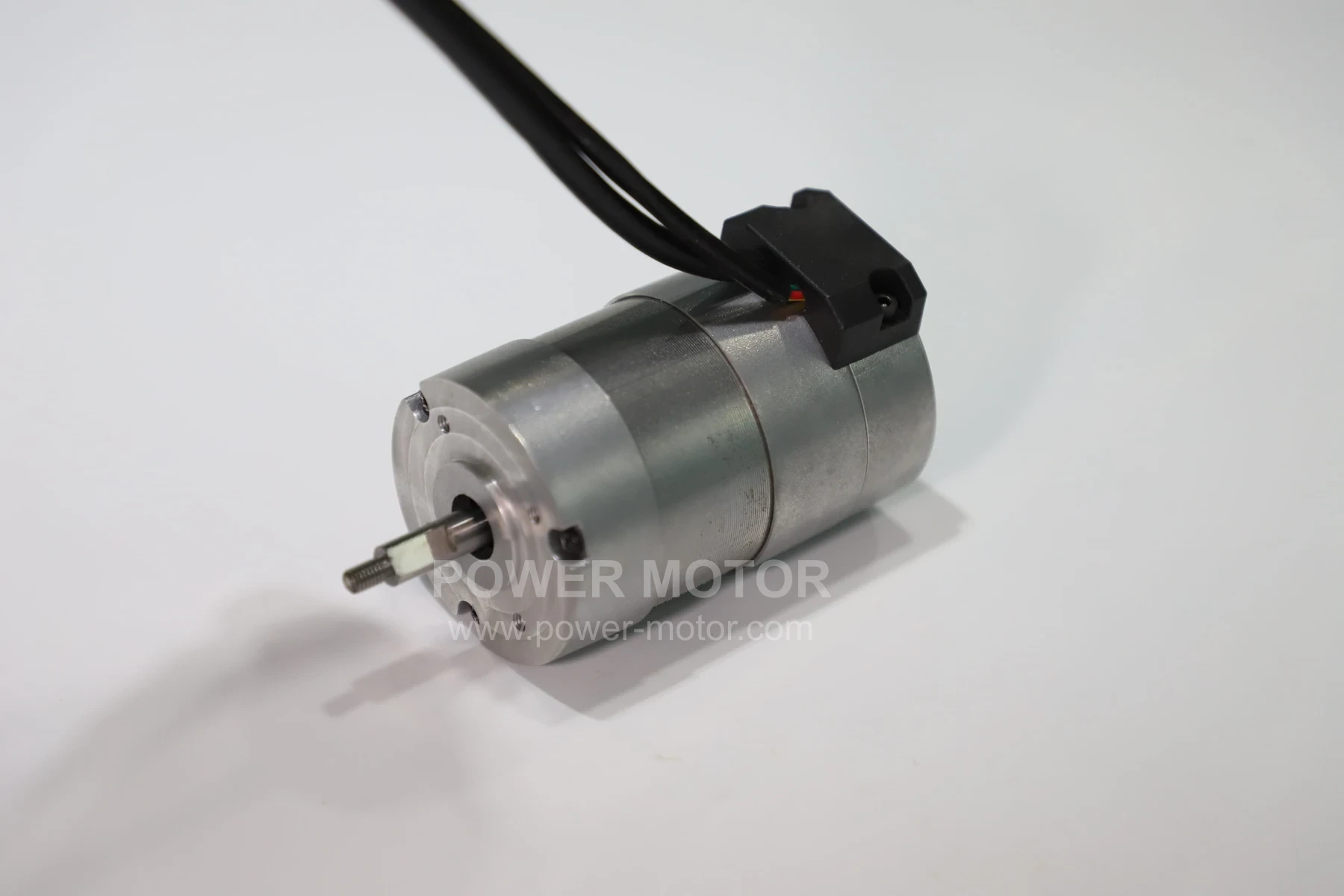
Grinding
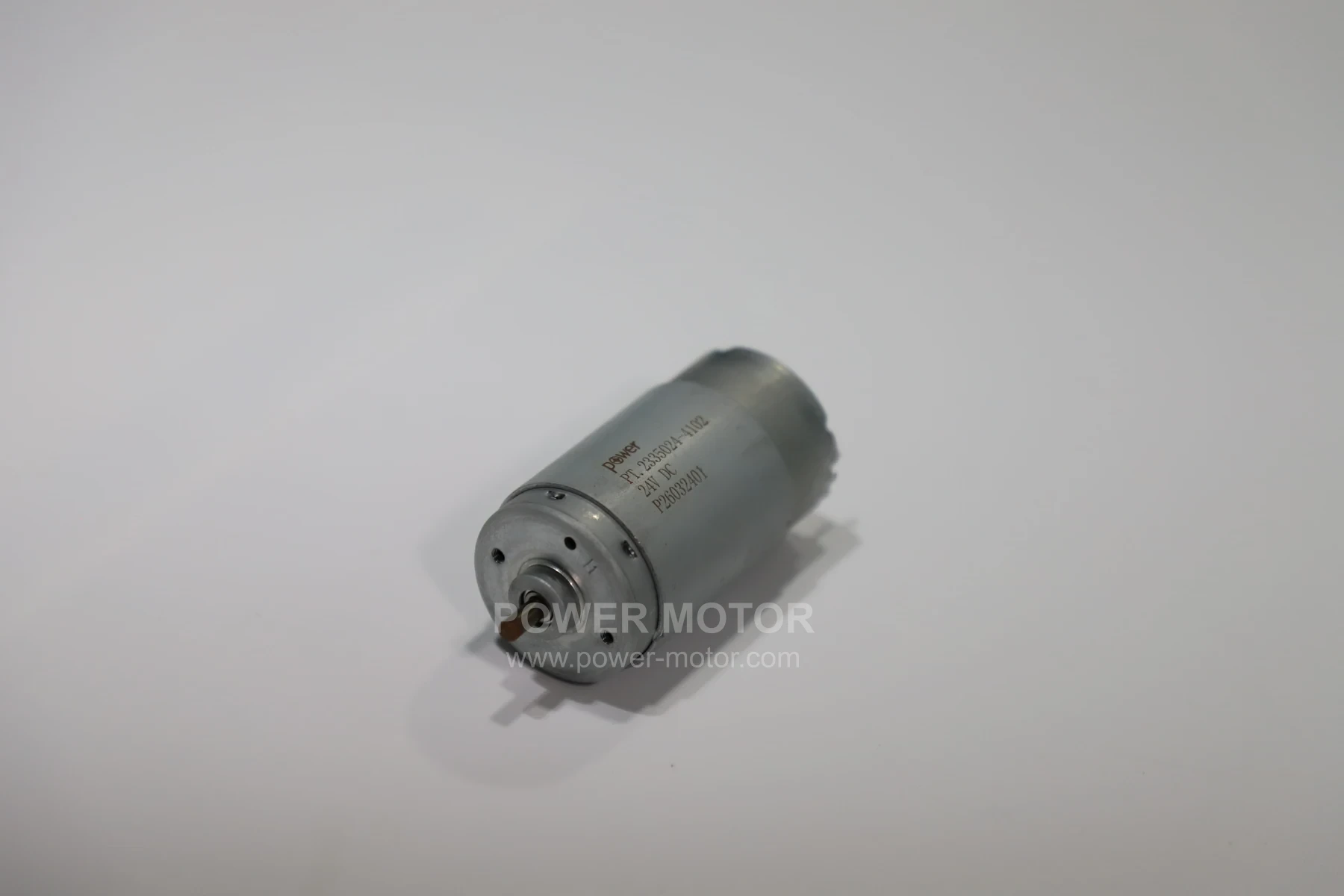
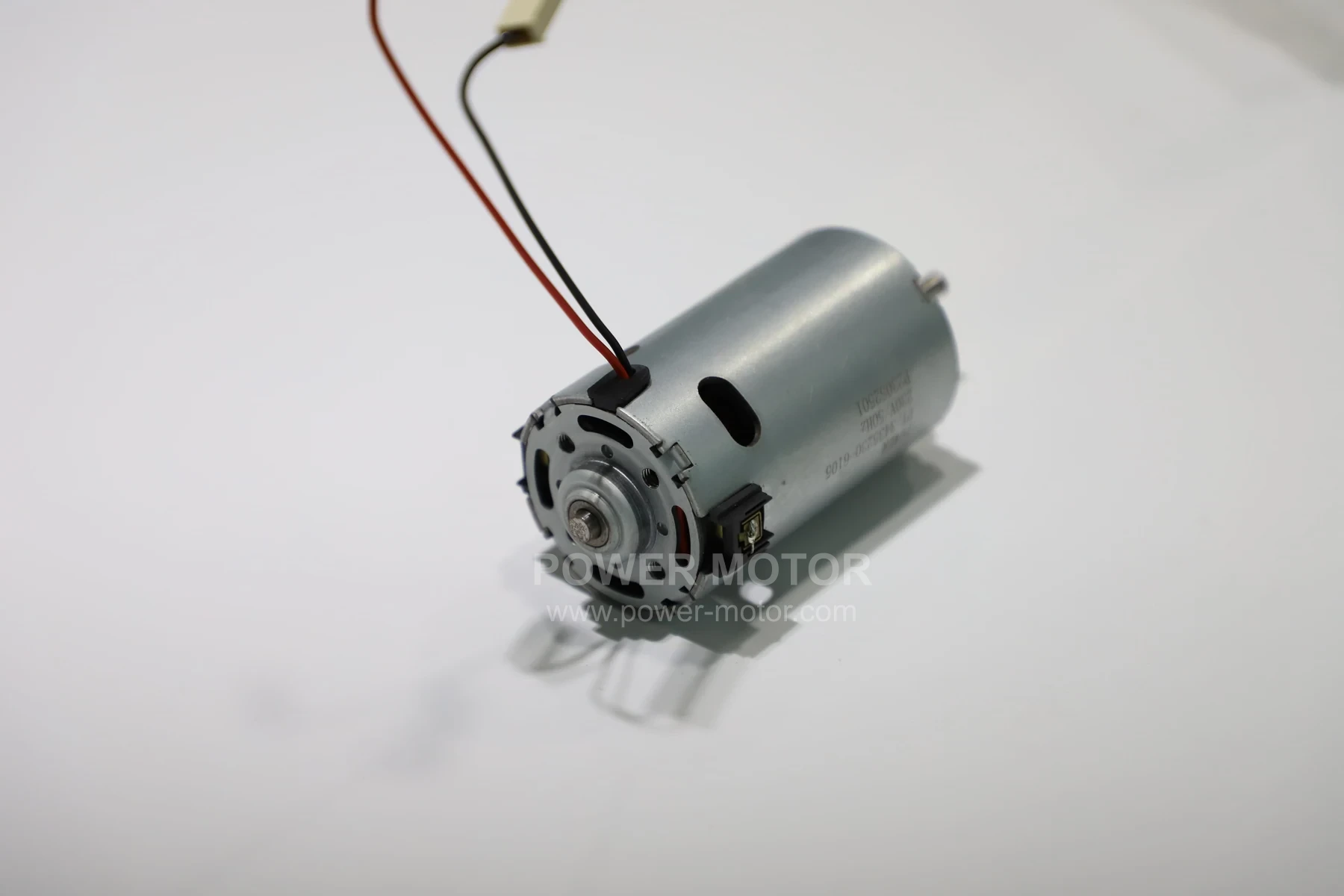
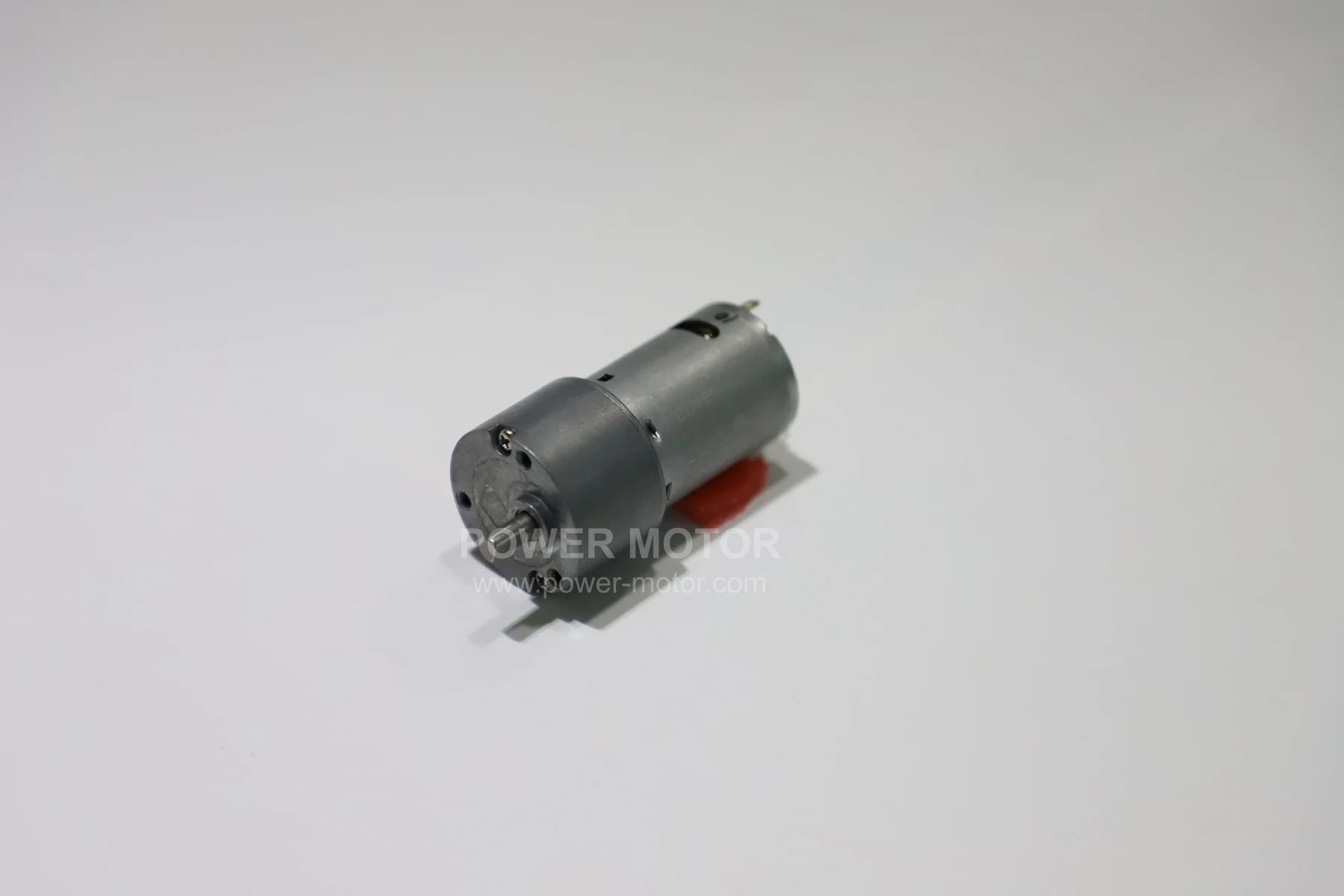
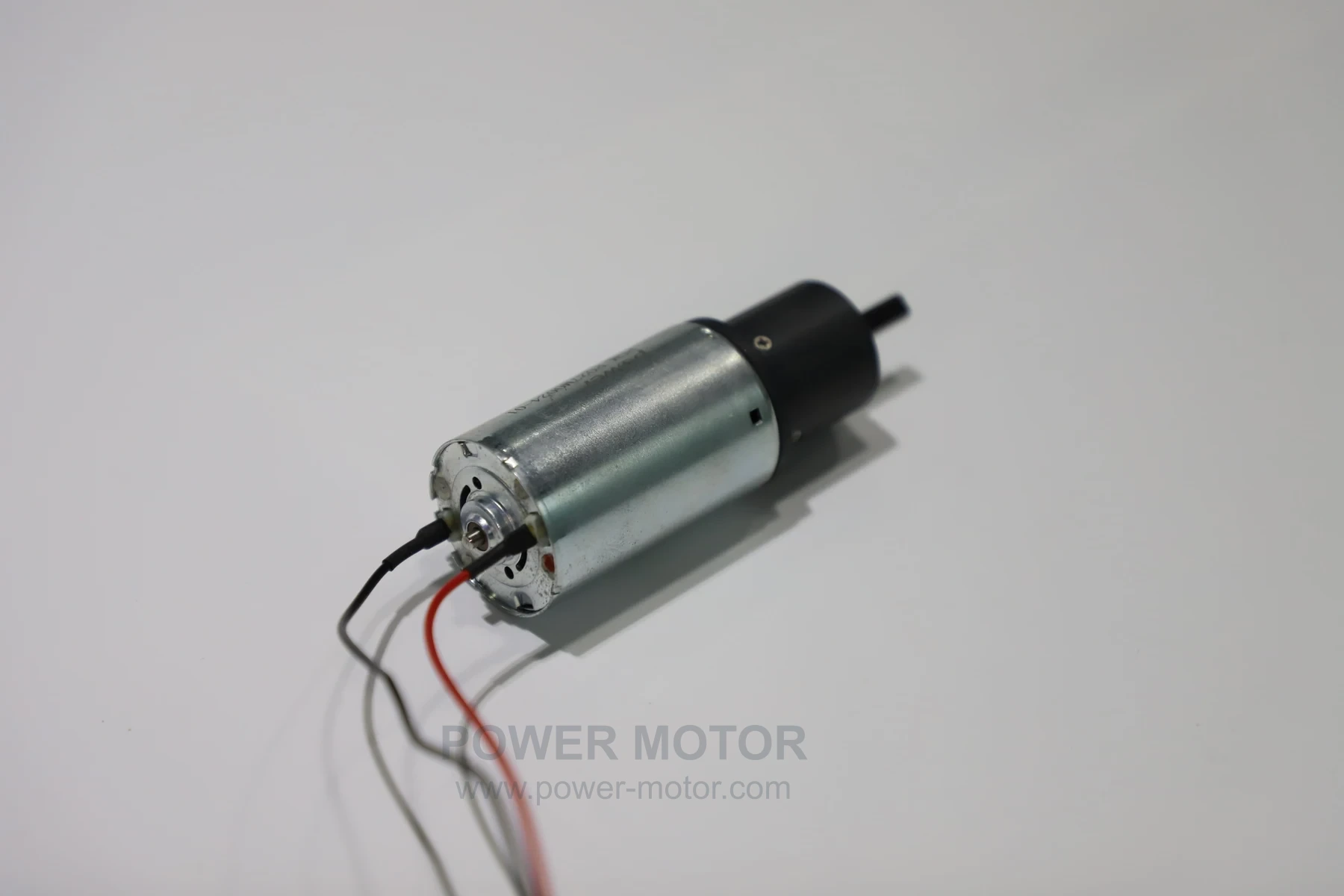
Specify burr or blade geometry, loaded speed, starting load, grinding duration and jam response. Distinguish motor-shaft requirements from burr-shaft requirements, including any reduction stage.
End-product application
13 / 23Separate grinding, tamping and other mechanism duties before comparing supply, loaded speed, torque and mounting interfaces. Explore specific models and prepare a sample evaluation.
Related models and specificationsDiscuss a coffee equipment motorParent applicationHome Appliances
Grinding speed, tamping force and programmed motion require different selection criteria. Use these routes to define the discussion, then validate the motor in the intended mechanism.
Specify burr or blade geometry, loaded speed, starting load, grinding duration and jam response. Distinguish motor-shaft requirements from burr-shaft requirements, including any reduction stage.
Specify tamping force, travel, transmission ratio, position detection, return motion and cycle count. Motor-shaft torque is not a direct specification of tamping force.
Identify the mechanism, sequence, supply and space. Brewing, pumping and other actions need their own assessment; a coffee-machine label alone does not establish suitability.
Application products
Final selection depends on load, supply, installation space, control requirements and complete-device validation.
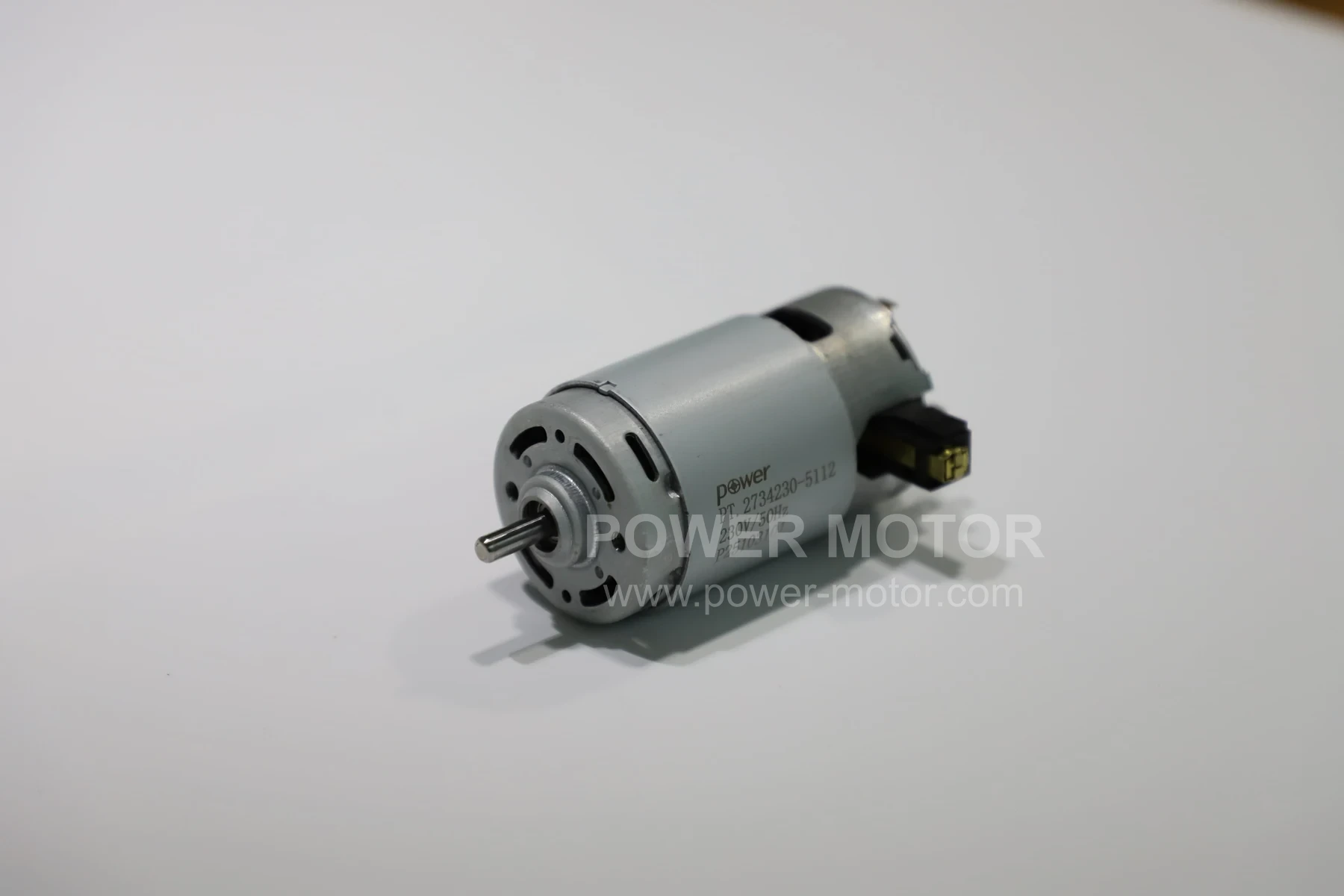
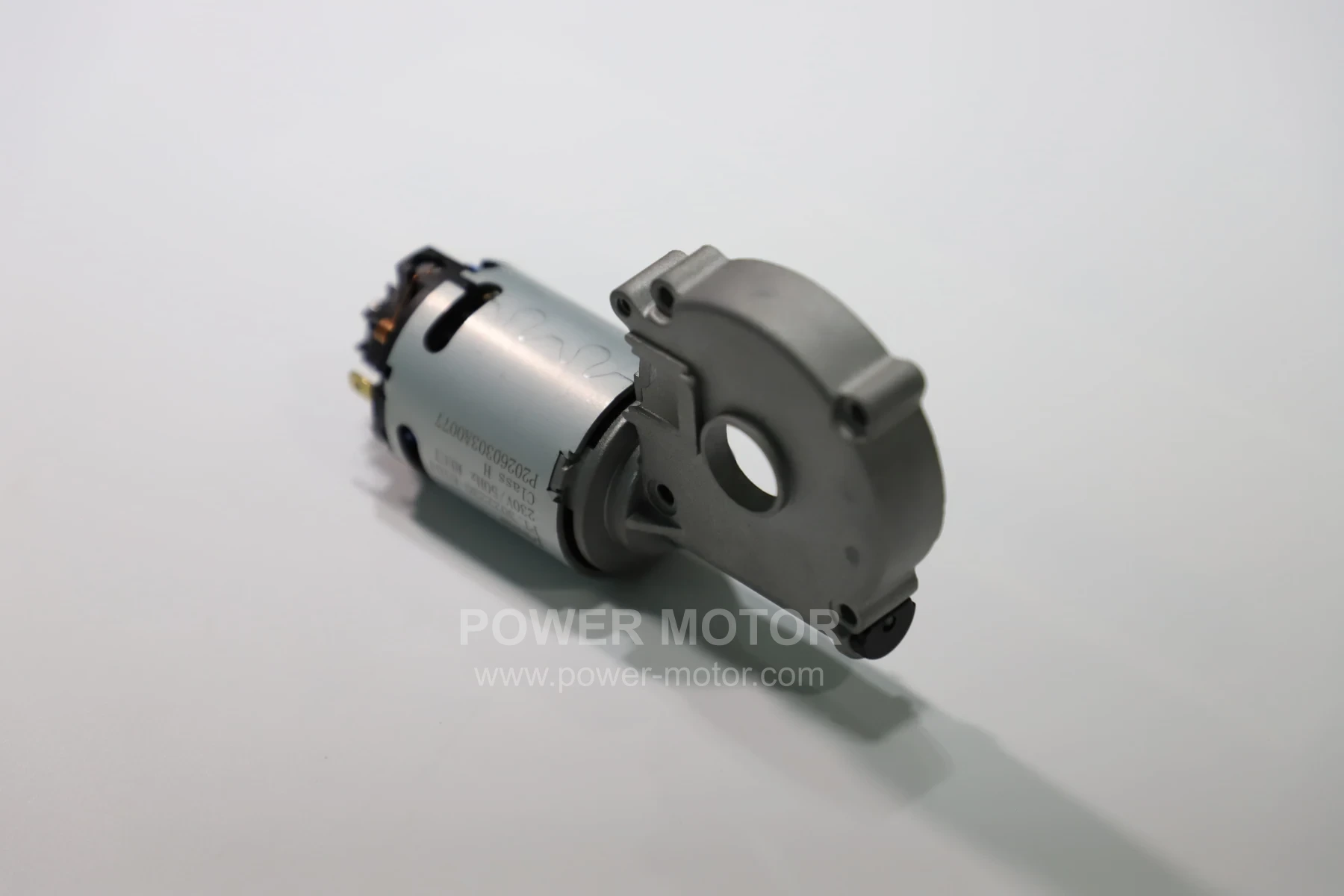
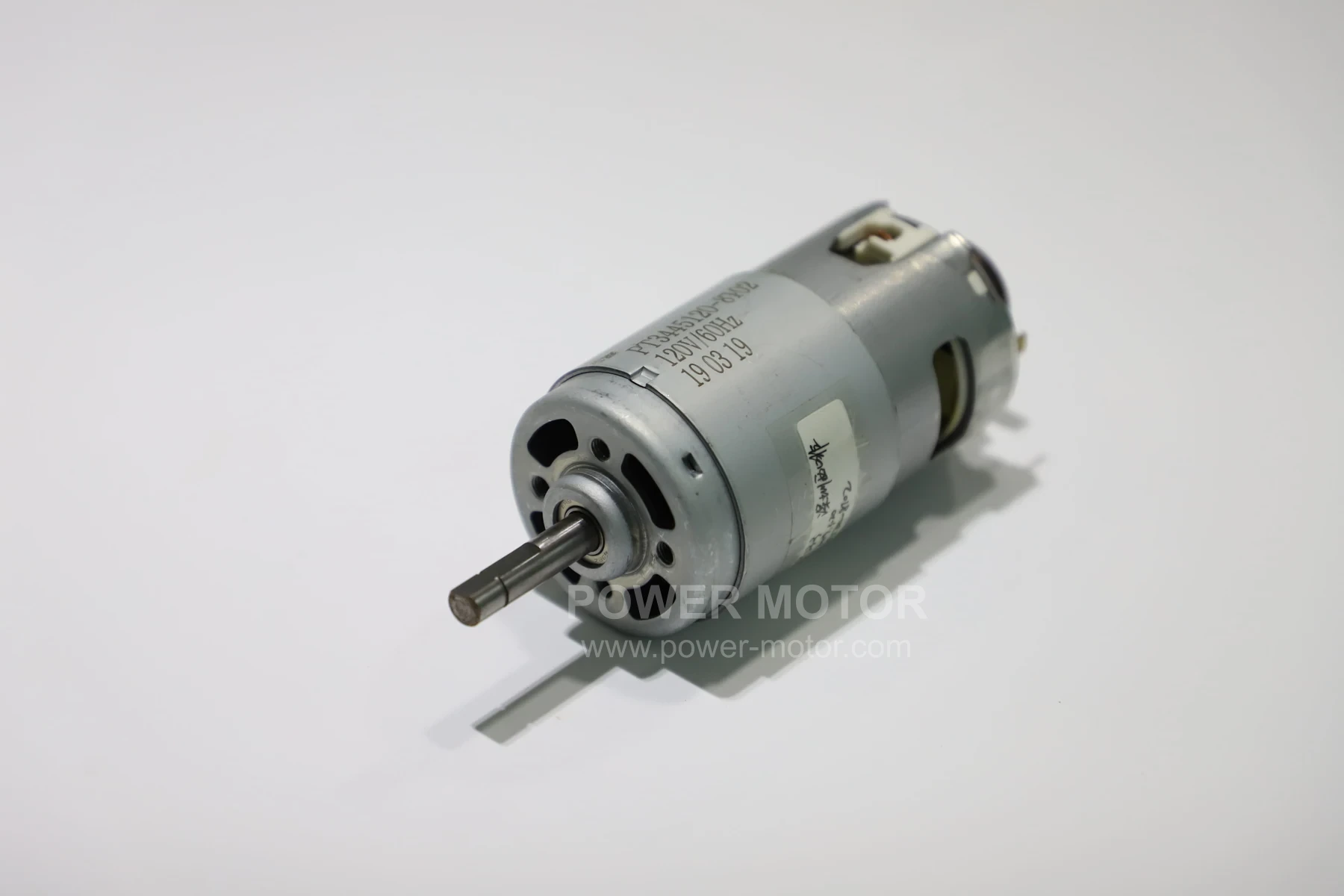
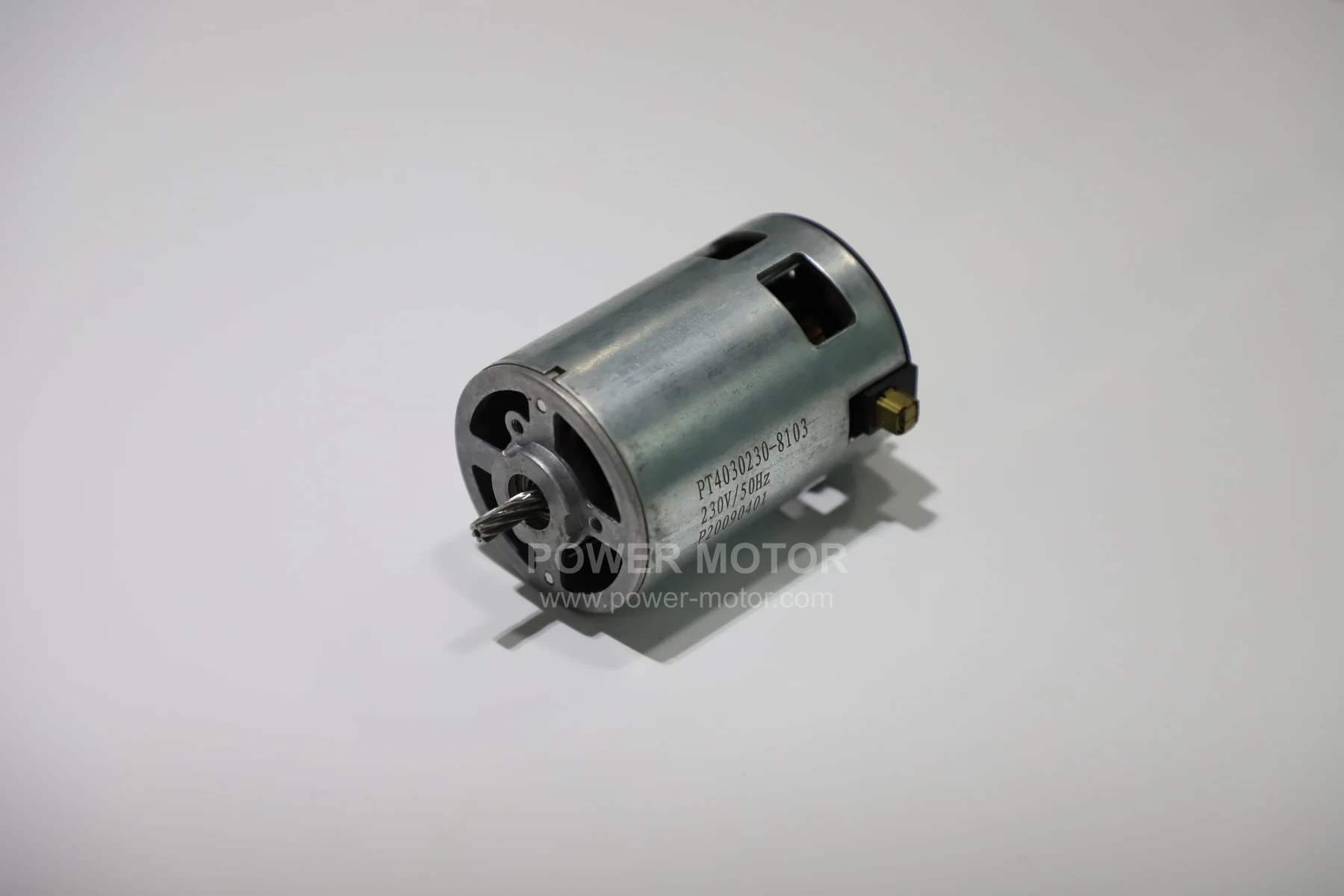
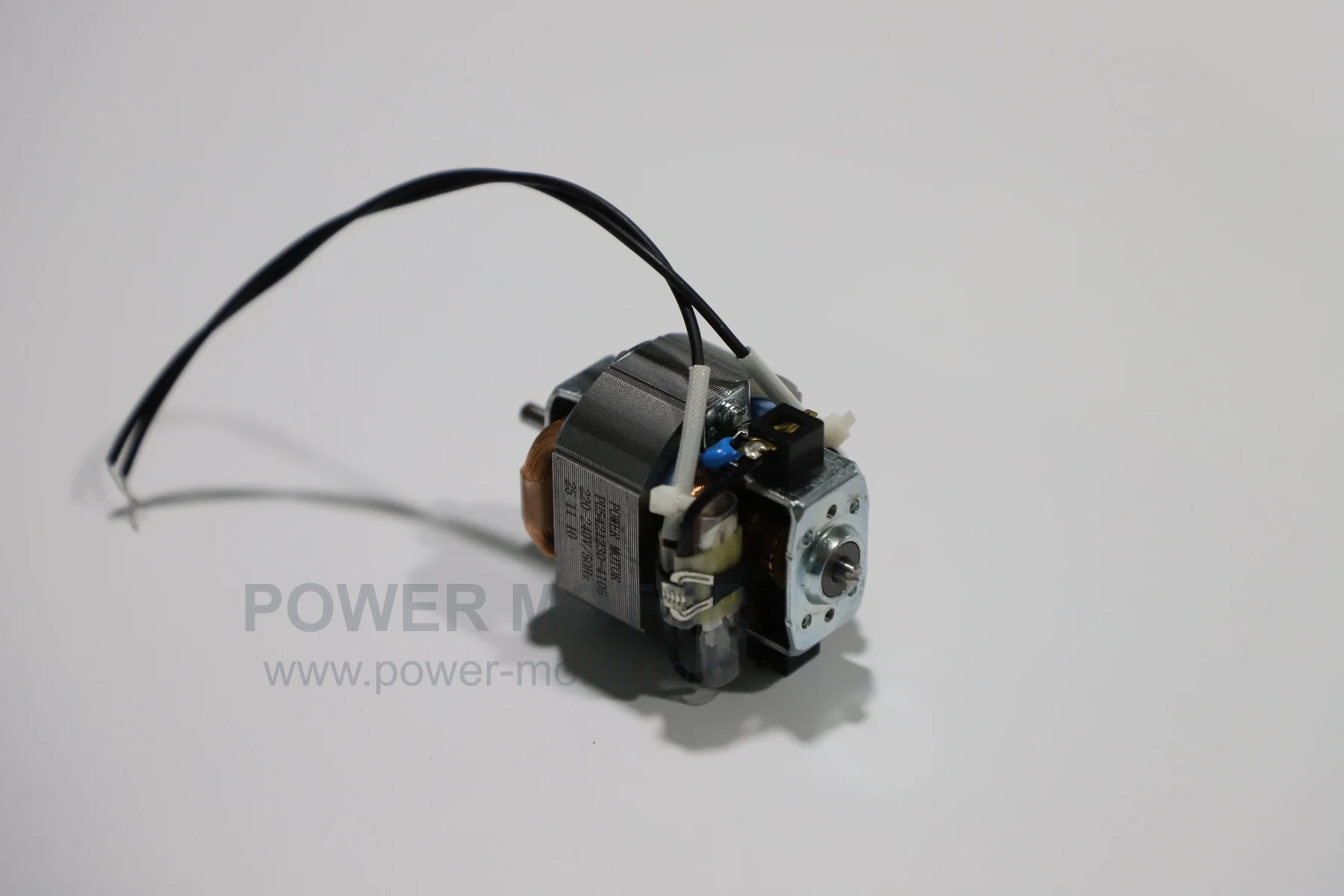
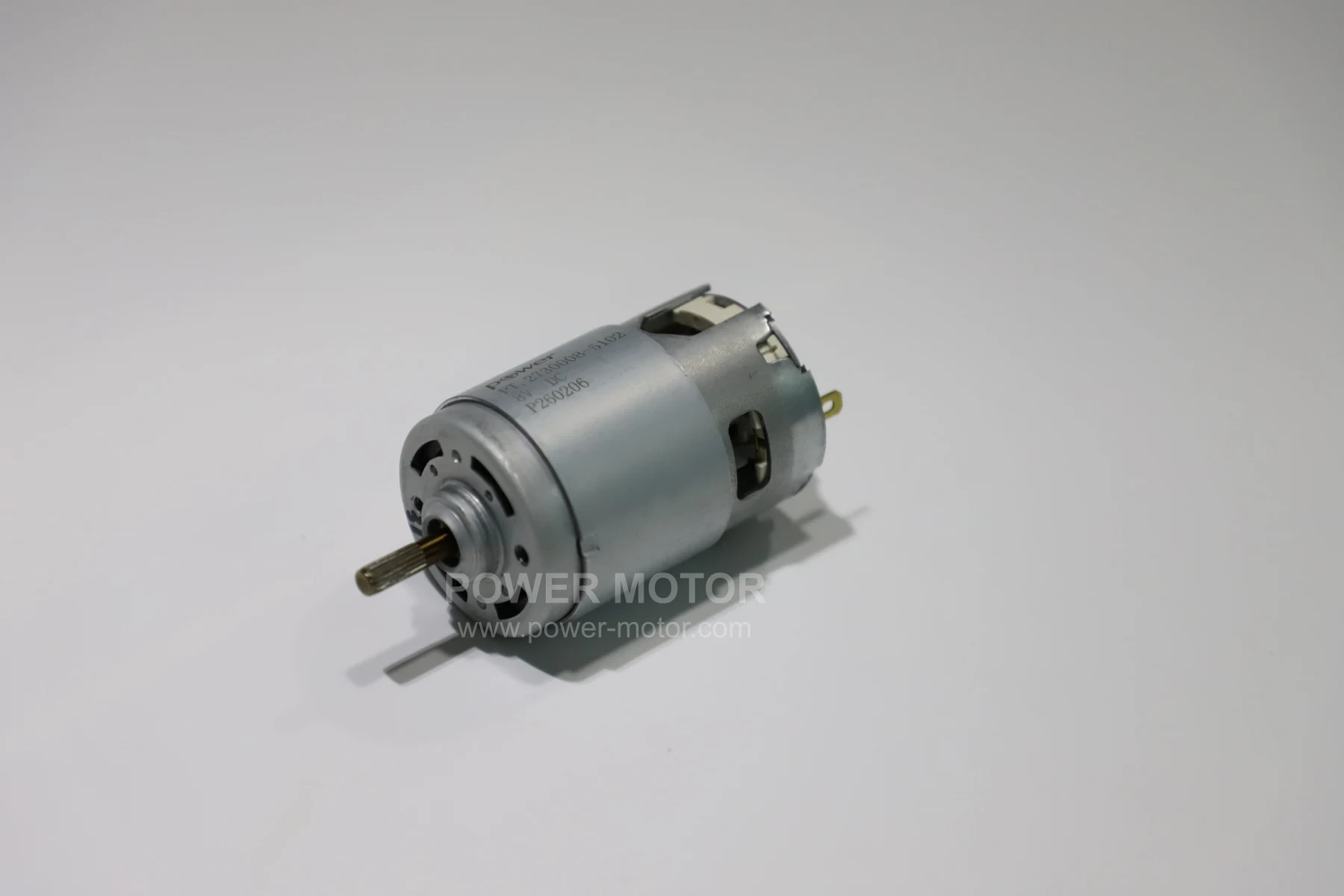
Each row describes its named configuration. No-load speed identifies a configuration; it is not the grinding speed. Maximum-efficiency data is not a continuous rating. Open a model for full data, dimensions and available curves.
| Configuration | Nominal supply | No-load speed | Torque at maximum efficiency |
|---|---|---|---|
| PU.5421230-4105 | 230V/50Hz | 28700 rpm | 48 mN·m |
| PT.2335 | 24 V | 4800 rpm | 53 mN·m |
| PT.2730 | 8VDC | 13000 rpm | 85 mN·m |
| PT.2734 | 230 V | 14000 rpm | 90 mN·m |
| PT.3022 | 230 V | 19500 rpm | 49 mN·m |
| PT.3435 | 230 V | 4100 rpm | 85 mN·m |
| PT.3445 | 120 V | 14500 rpm | 146 mN·m |
| PT.4030 | 230 V | 7000 rpm | 181 mN·m |
| PGM.C033 | 24 V | 30 rpm | 404 mN·m |
| PGM.P027 | 12 V | 196 rpm | 497 mN·m |
| PGM.P042 | 24 V | 460 rpm | 1466 mN·m |
| PGM.D058 | 24 V | 60 rpm | 2200 mN·m |
| PBL.4035 | 24 V | 6720 rpm | 94 mN·m |
| PBL.5530 | 400 V | 7600 rpm | 126 mN·m |
Selection requirements
Please share the operating conditions below. The selected motor still needs testing in your equipment to confirm performance and fit.
the liquid or mixture condition, process stages, vessel and passage resistance, start-and-stop process, and limits such as dry running or blockage
power supply, stage commands and transitions, adjustment, feedback, interlocks and fault response
the envelope inside the countertop appliance, interface to the processing member, separation from food zones, and assembly and cleaning access
temperature and humidity near food, vapor, residue, cleaning agents, cleaning frequency, and cross-contamination control
the intended processed result, different loading conditions, process hand-offs, abnormal blockage, cleaning and service, noise, and consistency across repeated batches
Select motors for the actual operating conditions and validate them in the complete device.
Same application field
See selection requirements for other equipment in this field.
Discuss your equipment requirements or drawings with our engineers.