
End-product application
01 / 11Power seat adjustment
Power seat adjustment: Multi-axis seat adjustment must account for occupant load, combined movements and holding, alongside vehicle controls and packaging.
Related models and specificationsParent applicationAutomotive Actuation & Precision Control↖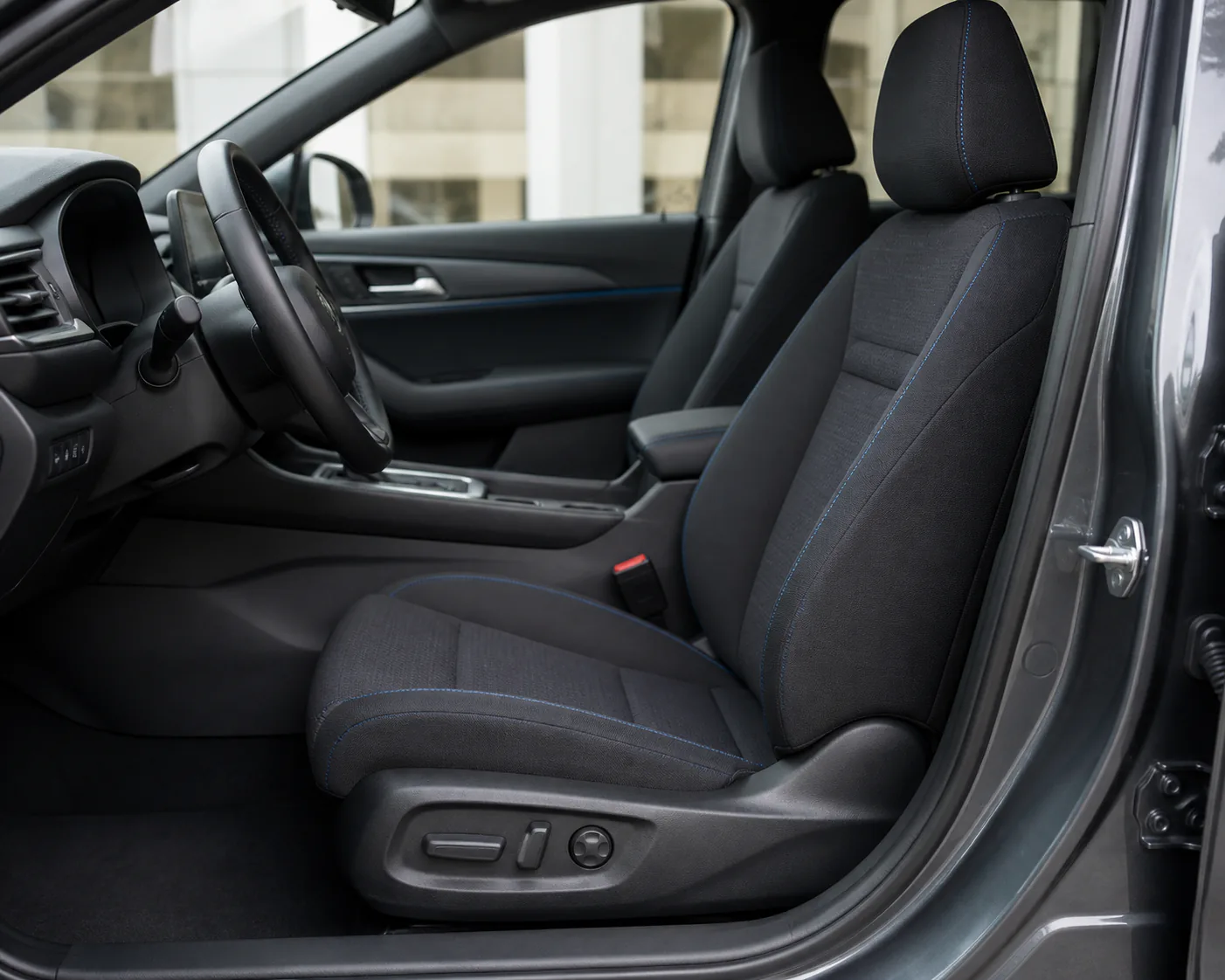
Related motors
Related models and specifications
Review the data and drawings as a starting point for selection.
Share your load, supply, installation space and control requirements. Our engineering team can help evaluate your options.
Final selection depends on load, supply, installation space, control requirements and complete-device validation.
Selection requirements
What do we need to know?
Please share the operating conditions below. The selected motor still needs testing in your equipment to confirm performance and fit.
Motion and load
the moved member on each adjustment axis, travel, combined movements, holding states, and reaction forces from the occupant or mechanism
Power and control
vehicle power and communication interfaces, motion commands and state feedback, diagnostics, protection, fault response and system interlocks
Space and interfaces
the envelope within the cabin structure, interface to the adjusted member, harness and trim boundaries, assembly order, and service accessibility
Duty and environment
cabin temperature variation, vibration and shock, noise, dust, contact with trim, and the vehicle electrical environment
Testing and production
full movement in vehicle conditions, end and holding states, pinch or obstruction handling, noise, diagnostics, and consistency after environmental cycling
Select motors for the actual operating conditions and validate them in the complete device.
Same application field
Related equipment
See selection requirements for other equipment in this field.


Need help choosing a motor?
Discuss your equipment requirements or drawings with our engineers.