
End-product application
10 / 23Hair dryer
Hair dryer: Air-path resistance, airflow adjustment and coordination with heated air shape drying performance. Handheld space and noise also matter.
Related models and specificationsParent applicationHome Appliances↖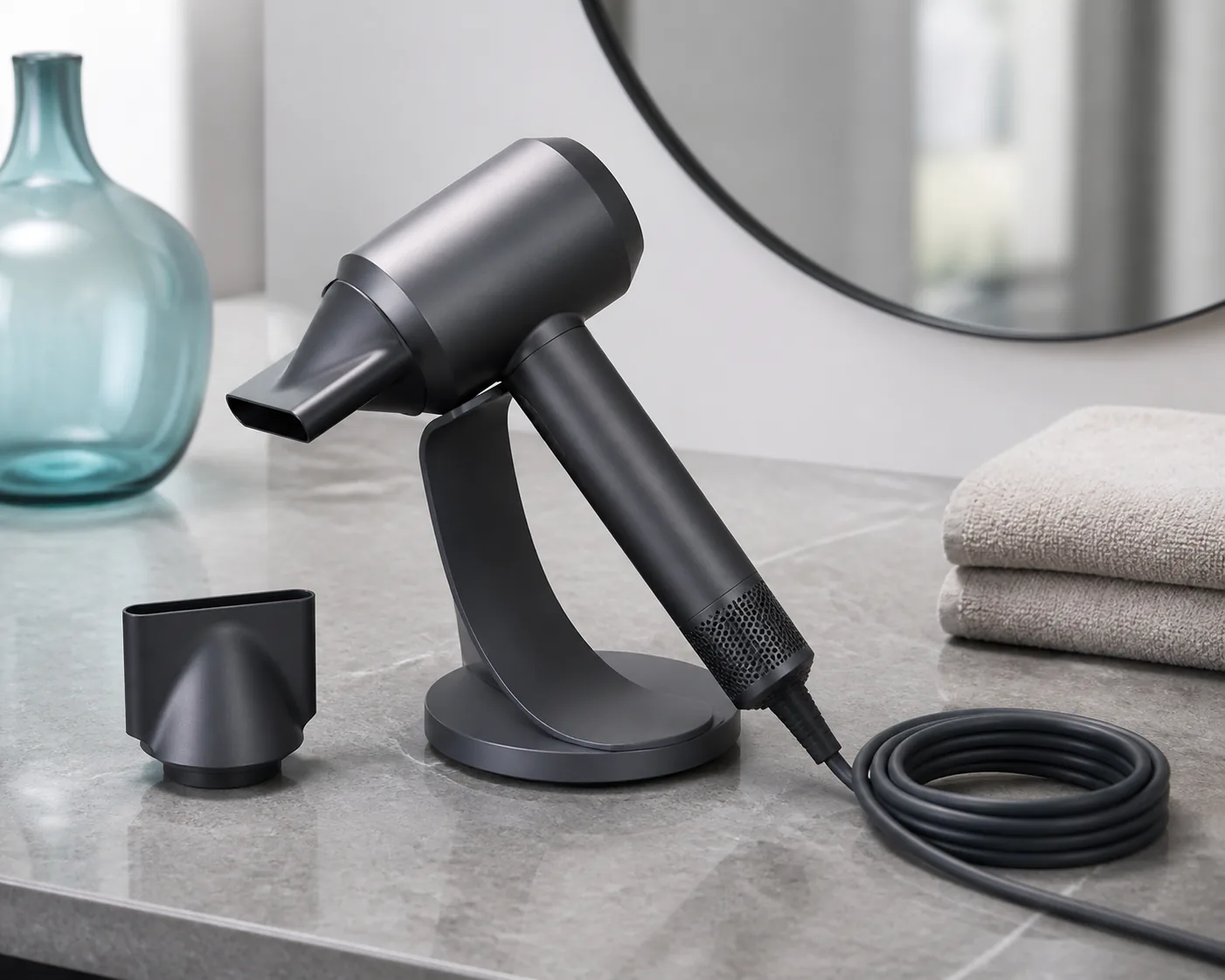
Related motors
Related models and specifications
Review the data and drawings as a starting point for selection.
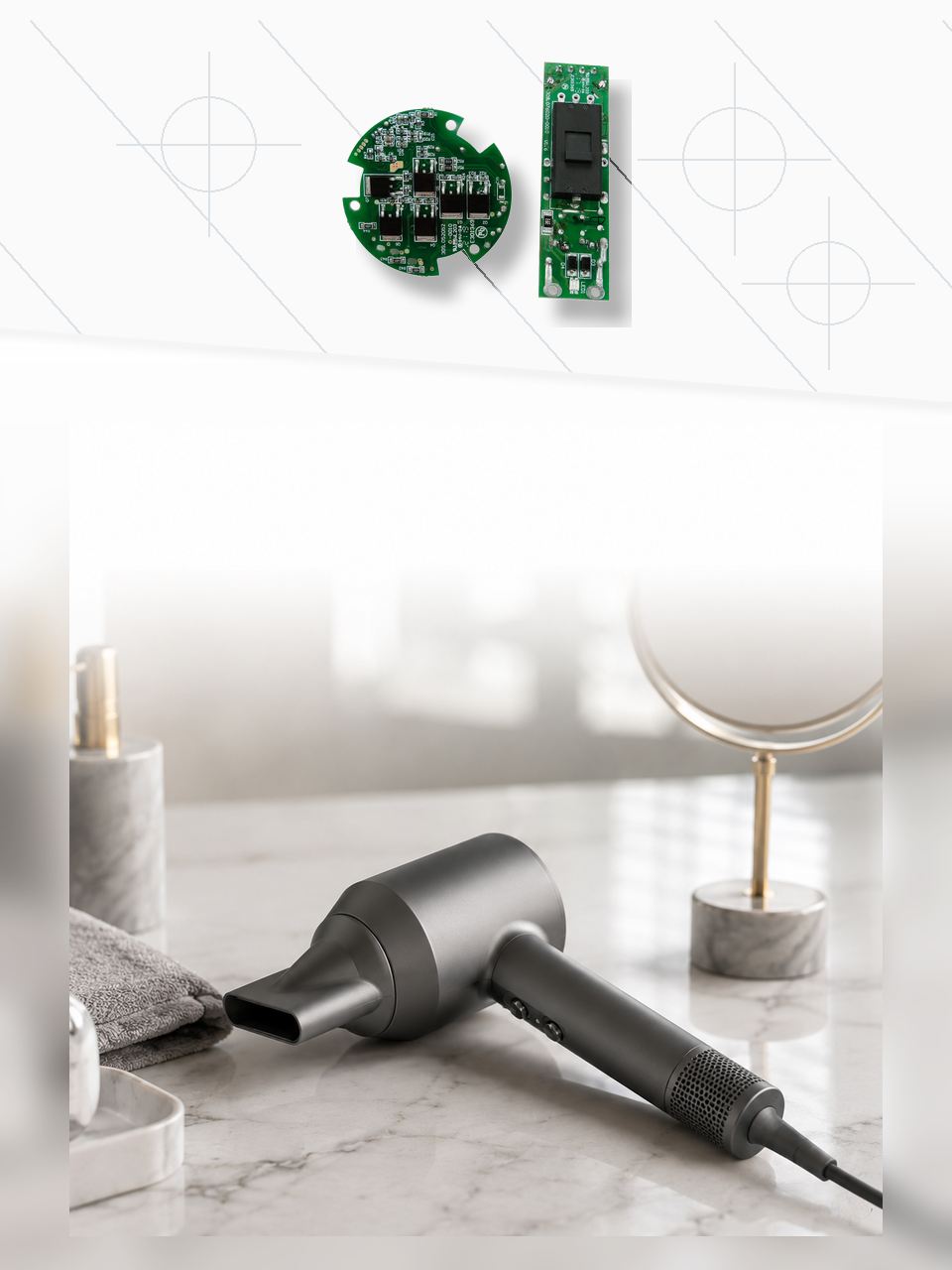
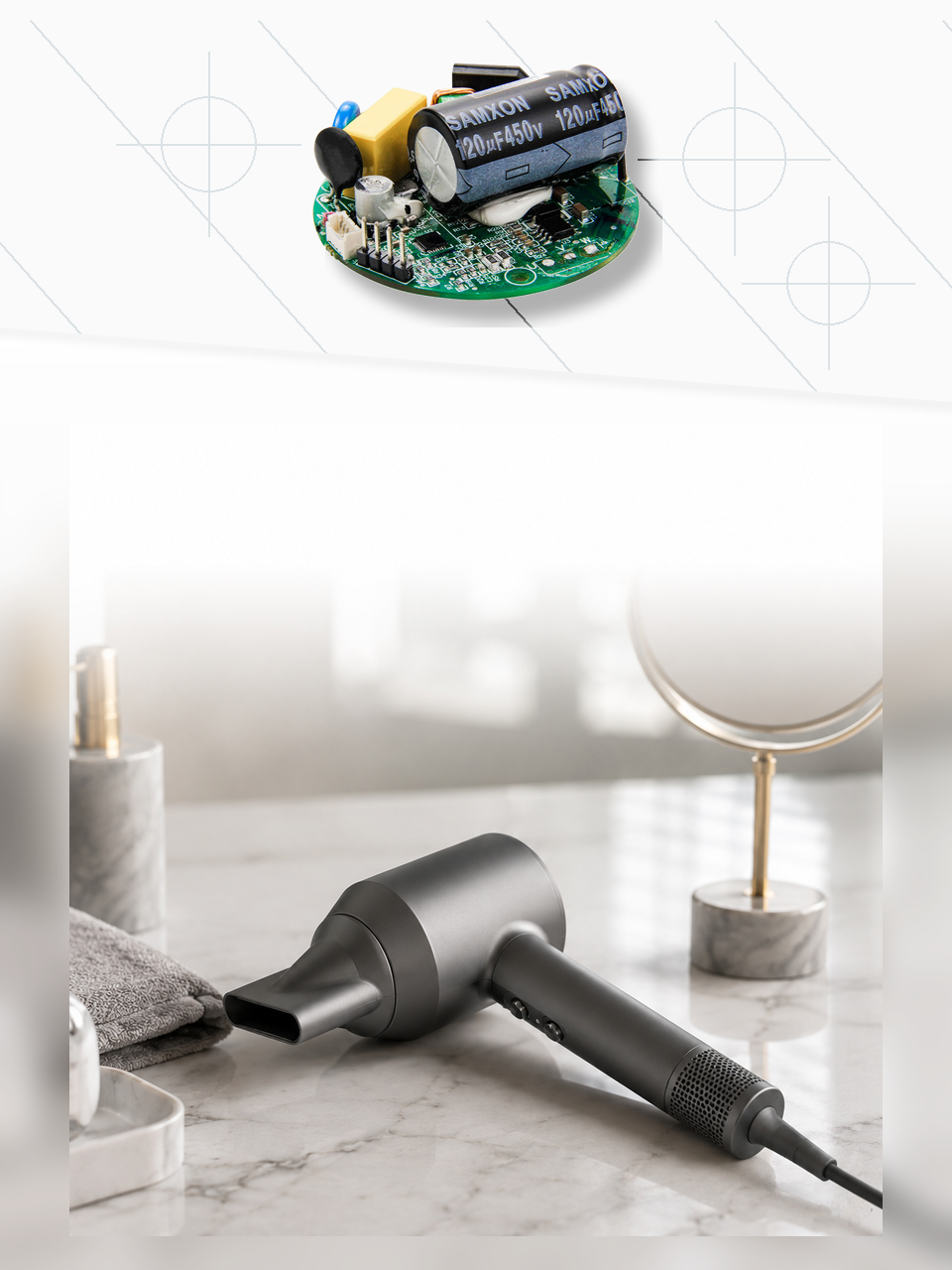
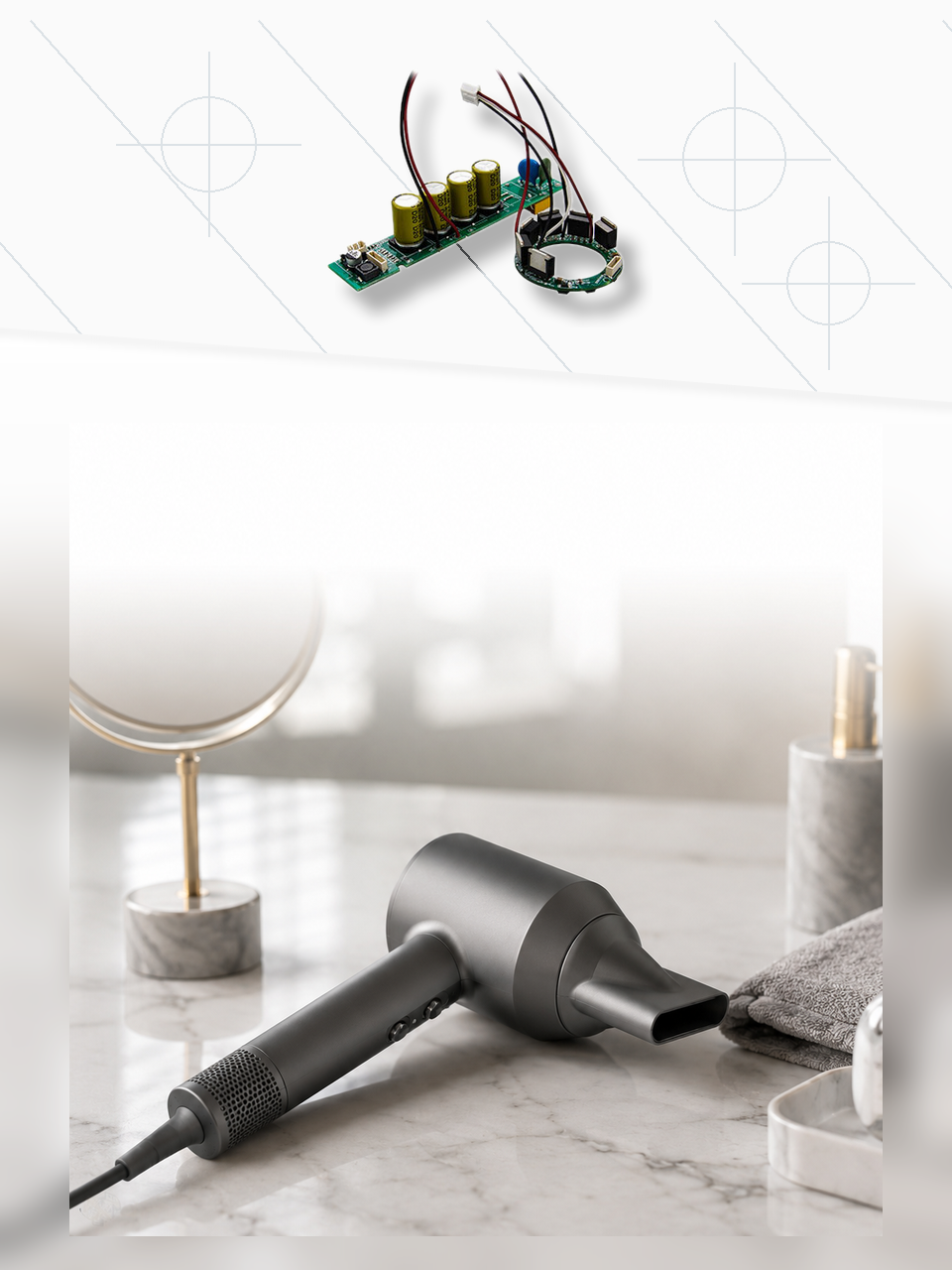
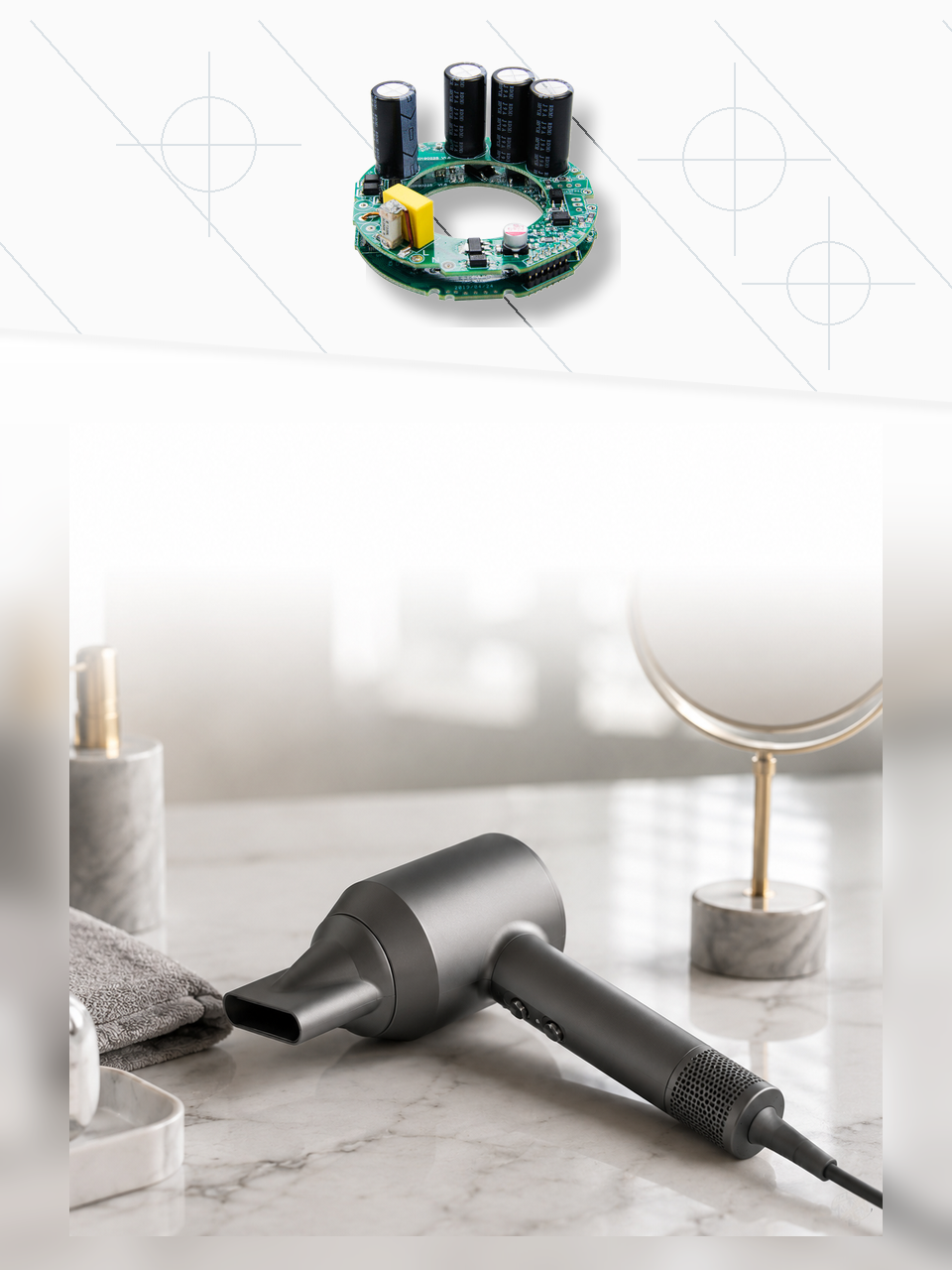
Final selection depends on load, supply, installation space, control requirements and complete-device validation.
Selection requirements
What do we need to know?
Please share the operating conditions below. The selected motor still needs testing in your equipment to confirm performance and fit.
Motion and load
the intended air path, inlet and outlet resistance, airflow variation, start-and-stop process, and load changes caused by filters or ducts
Power and control
power supply, output adjustment, start-stop logic, feedback, protection and fault response
Space and interfaces
the envelope inside the handheld housing, effect on grip and balance, interface to the tool or functional head, wiring, and assembly order
Duty and environment
heated air, temperature cycling, vapor or hair, inlet and outlet blockage, housing surface temperature, noise, and cleaning conditions
Testing and production
the intended air-delivery result, differing path resistance, starting and adjustment, noise, temperature rise, touch or comfort, and repeated-operation consistency
Select motors for the actual operating conditions and validate them in the complete device.
Same application field
Related equipment
See selection requirements for other equipment in this field.
Need help choosing a motor?
Discuss your equipment requirements or drawings with our engineers.