
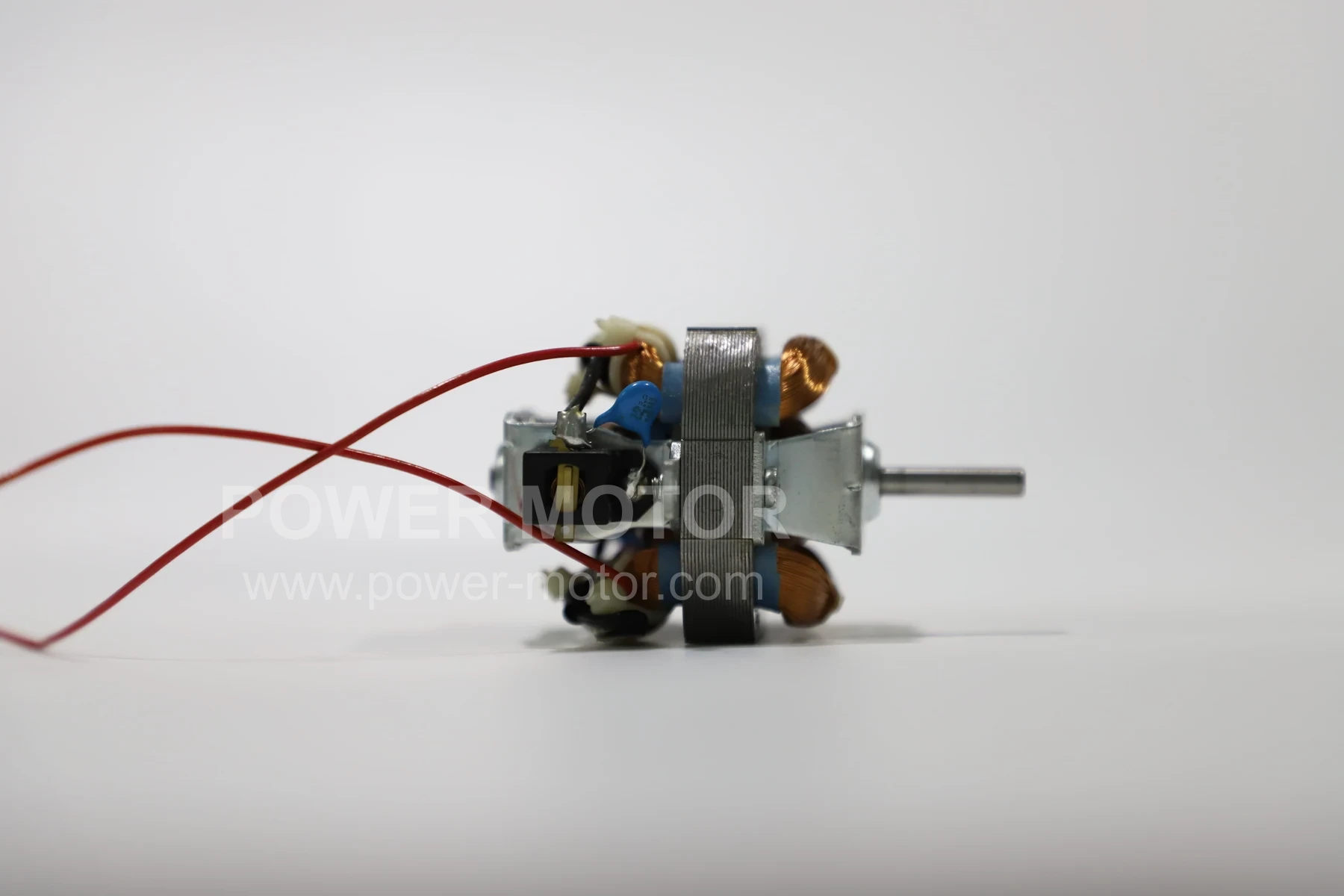
A hair dryer for several mains markets needs a defined power architecture and a motor–drive evaluation at each intended supply condition. A wide input range or controller feature alone does not establish complete-device compatibility.
Define the market and supply conditions
Record the intended mains voltages and frequencies, supply tolerance, operating modes and target-market safety and EMC requirements. Separate the heater supply from the motor drive when documenting the architecture.
Match the motor to its drive
For a BLDC route, confirm the motor winding, DC bus, feedback or sensorless startup method, current limits and control range. For a universal-motor route, use the specified supply and load conditions of the chosen configuration. Do not treat these as interchangeable power architectures.
Hair dryer application and selection requirements
Review controller candidates without assuming a pairing
The current directory includes the following hair dryer controllers. Review each product description and discuss the intended motor and power architecture before choosing a combination.
Validate the complete dryer
- Startup and restart at the agreed supply limits and operating modes.
- Loaded airflow, speed, input current and temperature rise in the actual duct.
- Blocked airflow, blocked rotor and required protection responses.
- Noise in a stated measurement setup; applicable safety and EMC evaluation.
Record the exact motor, controller, firmware and test conditions. A result from one assembly should be applied only within the verified configuration and operating range.