Selecting the Right Material Handling Robot for Your Business
When choosing a material handling robot for your business, it is essential to evaluate how each system aligns with your workflow and expectations. At Power Motor, we approach this process by studying load capacity, movement patterns, and overall working conditions so that we can identify what type of robot can support your efficiency goals. As a DC electric motor manufacturer, we know that different automation equipment depends heavily on torque output, noise level, and stability. These factors influence whether a compact robot, a high-precision model, or a heavy-duty system is the most practical option. In many facilities, tasks such as repetitive lifting, sorting, or transferring goods require controlled and consistent motion, which is why our understanding of motor behavior is central to evaluating suitable robotic solutions. Our experience also shows that a robot integrated with components designed for long-term reliability can reduce maintenance interruptions and support smoother daily operations.
Matching Robot Types With Performance Expectations
Different material handling robots are engineered for diverse operational goals, and we help our clients determine which structure works best for their environment. For example, collaborative robots may benefit businesses seeking safe and flexible movements in shared workspaces, while autonomous mobile robots are often chosen for warehouse routes that require smooth navigation and steady power delivery. Our role as a DC electric motor manufacturer allows us to evaluate how motion systems—especially those relying on stable torque output—affect the overall experience. We often reference our car seat motor development knowledge to understand precise, low-noise motion control, which is valuable for robots that must operate near staff or sensitive equipment. Through this approach, we aim to ensure that the selected robot provides dependable performance without exceeding the complexity that your business actually requires.
How Our Motion Solutions Support Robotic Applications
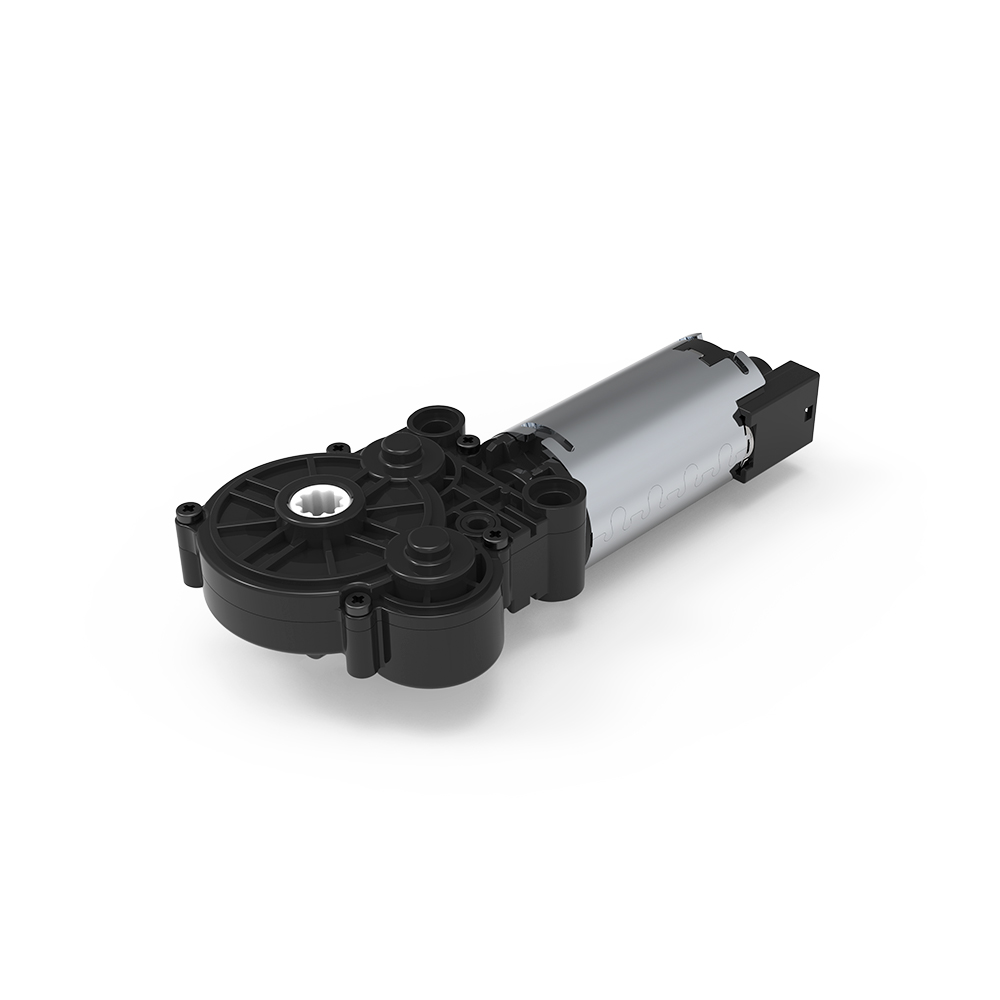
As we study material handling requirements, we frequently rely on insights gained from projects involving our car seat motor, where accuracy and long service life are essential. These principles also guide how we help businesses identify robots that maintain consistent positioning and speed. To support such needs, we provide practical motion solutions such as the Power Seat Adjustment Motor, Model PGM-WH60D Series (12V, 12 N·m torque, 15 W power, 13 rpm). It offers high torque, long life, and low noise characteristics, which reflect the same performance attributes many robotic platforms depend on. At Power Motor, we emphasize real operational value rather than theoretical advantages, so our assessments focus on how motors behave in continuous use and how their characteristics support different robot categories.
Conclusion: Choosing a Robot That Fits Your Workflow
Selecting the right material handling robot requires a realistic evaluation of daily tasks, performance priorities, and long-term reliability. At Power Motor, we apply our motion development experience to help determine which system best supports your operational goals. Whether the focus is stability, precision, or controlled torque output, our background as a DC electric motor manufacturer enables us to analyze how motion components influence overall robotic performance. This approach helps ensure that the robot you choose aligns with your specific workflow and remains dependable throughout its service life.