Strengthening Vehicle Door Security With Modern Solenoid Systems
As we work closely with automotive partners, we continue exploring how solenoid mechanisms contribute to reliable door-locking performance. Solenoids convert electrical energy into linear motion, giving door systems a consistent way to secure a vehicle even under changing road or climate conditions. In our projects with Power Motor, we incorporate this understanding when reviewing customer needs for compact actuators. As one of the experienced electric motor manufacturers in China, our team studies how different electrical signals influence locking speed, release smoothness, and long-term durability. This perspective helps us refine solutions for customers who require higher stability in door-locking modules.
Integration of Solenoids Inside Door Systems
When integrated into automotive doors, solenoids support lock engagement, latch positioning, and controlled release. Their function depends heavily on current strength and coil structure, so we examine each application before adjusting internal parameters. In our work, the insights gained from Power Motor projects highlight how a stable power source and appropriate wiring layout directly affect response accuracy. Many customers using compact actuators also inquire about seat-adjustment components. For these cases, we present our car seat motor applications and discuss how motion-control logic in seating systems shares similarities with door mechanisms. By viewing solenoids and auxiliary motors as part of one motion chain, we help customers achieve smoother system coordination.
Product Example Supporting Motion Control
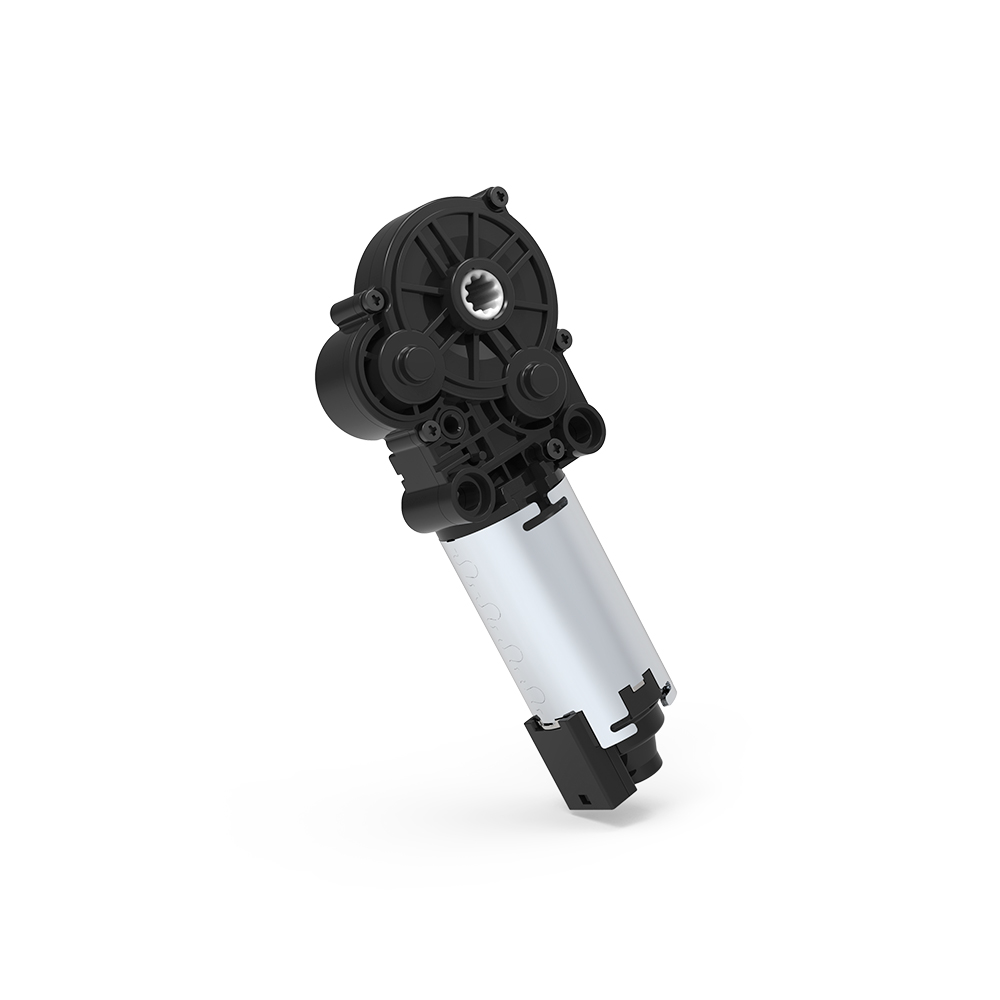
To illustrate our development experience, we reference our Power Seat Adjustment Motor, which is often evaluated alongside solenoid-based door solutions. The model is the Power Seat Adjustment Motor PGM-WH60D Series, a 12V unit with 12N·m torque, 15W power, and 13rpm output speed. Its characteristics—high torque, long life, and low noise—serve as a practical example when discussing how door-locking components must maintain stability while operating quietly inside the cabin. Although these seat motors differ in structure from solenoids, the engineering principles we follow remain consistent: controlled movement, reliable output, and predictable performance. This process aligns with our long-term experience as one of the established electric motor manufacturers in China, supporting both small-scale customization and larger production programs.
Conclusion: Coordinated Motion for Improved Door Security
By examining how solenoids interact with locking hardware and electrical systems, we strengthen our understanding of vehicle-door security requirements. Our involvement in Power Motor development work and our experience delivering car seat motor solutions give us a clear view of how precise motion improves safety and comfort. Through steady refinement of electrical motion components, we continue supporting customers who seek dependable technology for modern automotive doors.