Enhancing Material Handling Efficiency Through Robotics
In our daily operations, we continue to see how robotics transforms material handling across various environments. As we integrate new automation strategies, our team at Power Motor recognizes that robotics allows us to move goods with greater consistency, accuracy, and stability. These benefits are especially visible when handling repetitive tasks or managing heavy loads that require steady motion. As a BLDC motor manufacturer, we also understand the importance of motion control quality in any robotic system, and this understanding guides how we design and refine our solutions. When robotics is applied in material flow processes, it supports safer workplaces, reduces strain on manual labor, and enables smoother coordination between equipment and operators.
Improving Workflow Reliability
When we incorporate robotics into material handling, we gain more control over key activities such as sorting, lifting, transporting, and positioning. These workflows rely heavily on precise motor performance, which is why we focus on engineering solutions that support stable and predictable movements. For example, our work in producing systems suitable for a car seat motor helps us maintain a deep understanding of accuracy, torque balance, and responsiveness—factors that are equally important in warehouse and manufacturing applications. Robotics helps reduce errors that often occur with manual operations, allowing our company to maintain efficient throughput even during demanding production cycles. By applying robotic assistance to material flow, we enhance timing coordination, reduce delays, and support customers who require dependable operational continuity.
Motion Solutions That Support Robotic Performance
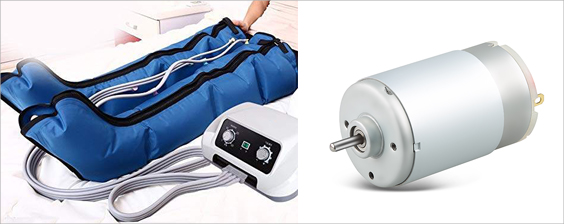
As we refine our motion technology, we develop components that help robotic systems meet real-world demands. One example is our high-performance PMDC motor solution designed for air wave pressure therapy apparatus. This equipment relies on continuous inflation and deflation of multi-chamber airbags to promote circulation, requiring motors with fast start-stop response, low noise, and long service life. These characteristics are equally important in robotic handling systems, where controlled airflow, precise movement, and quiet operation can influence workplace comfort and equipment durability. Drawing from the engineering principles behind therapeutic devices, our solutions allow robotic platforms to manage delicate materials, maintain steady motion profiles, and support sensitive processes without unnecessary vibration or noise. Such cross-application experience strengthens our confidence in developing customized solutions that align with different robotic tasks.
Conclusion: Building Value Through Smarter Handling
As our company continues adopting new automation methods, we see robotics as a practical tool that increases flexibility and enhances performance across material handling tasks. The insights we gain from our work with Power Motor, as well as from our experience as a BLDC motor manufacturer, help us tailor motion solutions for both industrial systems and applications like the car seat motor segment. By applying these competencies to material flow processes, we deliver stable, reliable, and adaptable support for customers seeking to improve operational efficiency. Robotics offers a scalable way to strengthen handling capabilities, and we will keep refining our technology to meet the evolving needs of modern production environments.