Application of Linear Motors in the Medical Field
1. Introduction
Linear motors, with their advantages of direct drive, high precision, maintenance-free, and low noise, have become a key enabling technology for high-end medical equipment such as surgical robots, medical imaging devices, rehabilitation equipment, and laboratory automation. They eliminate the need for intermediate transmission mechanisms, achieve micron- or even nanometer-level positioning, and generate virtually no wear particles during operation – a critical feature for maintaining a clean medical environment.
2. Principles and Advantages
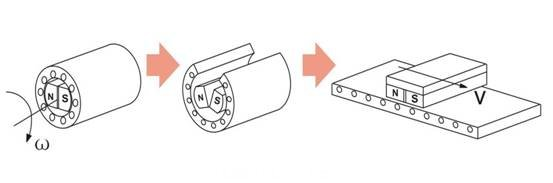
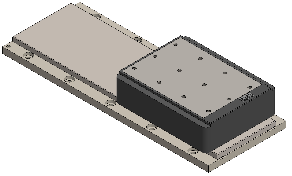
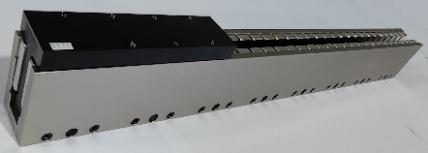
A linear motor directly converts electrical energy into linear motion, which can be seen as a rotary motor cut radially and laid flat. According to structure, they are divided into flat-plate, U-channel, and tubular types. Compared with traditional “rotary motor + ball screw” solutions, linear motors offer several advantages: no mechanical backlash or transmission errors, resulting in high positioning accuracy; acceleration up to 6g and speed up to 13 m/s; and due to non-contact friction, they feature low vibration, low noise, and no particle contamination. Common types used in the medical field include iron-core linear motors, ironless linear motors, voice coil motors, and linear stepper motors.
3. Major Applications
3.1 Surgical Robots
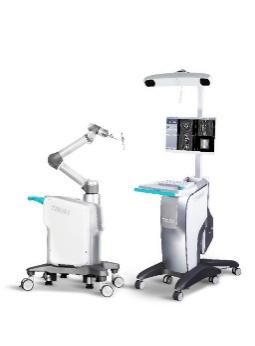
Linear motors are integrated into the joints of robotic arms, providing millinewton- to newton-level force control and micron-level positioning. For example, in minimally invasive neurosurgery, positioning accuracy can reach 0.005 mm; in ophthalmic laser correction, trajectory error is controlled within ±2 μm. Direct drive technology makes surgery more precise and safer while reducing maintenance costs.
3.2 Medical Imaging Equipment
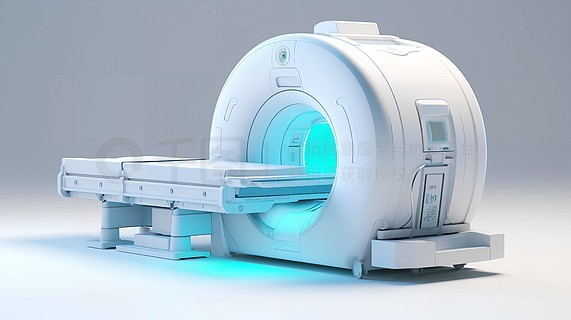
CT scanners use ironless linear motors, achieving rotational acceleration of 3g and a single‑rotation scan time of only 0.23 seconds. CT/MRI patient tables reach a translation speed of 200 mm/s with positioning error ≤ 0.01 mm. In proton‑heavy ion therapy, the beam switching system responds in less than 5 ms. The latest nanometer‑level linear motors, combined with laser interferometer scales, achieve a repeatable positioning accuracy of ±0.05 μm, enabling 360° scanning without blind spots.
3.3 Rehabilitation and Assistive Devices
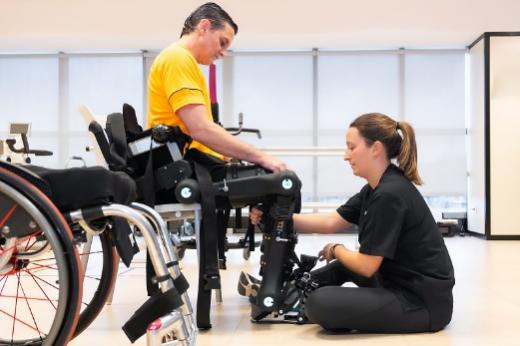
Electric PT training beds and electric traction units employ linear drives, providing smoother height and stroke adjustments. In rehabilitation robots, linear motors deliver customizable interactive rehabilitation training, enhancing therapeutic outcomes.
3.4 Laboratory Automation and Diagnostic Equipment
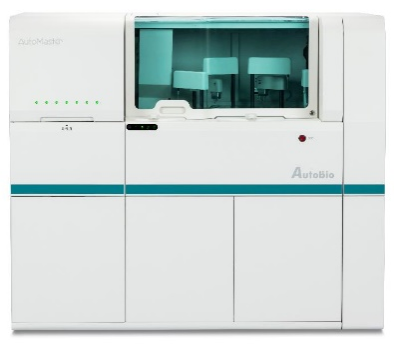
In nucleic acid extractors and gene sequencers, linear motors drive sample distribution, avoiding cross‑contamination. Direct‑drive pipetting robotic arms achieve precise dispensing of 0.1 μL liquid, tripling biochemical testing efficiency. Magnetic‑driven flexible conveying systems (e.g., Beckhoff XTS) achieve an absolute accuracy of 0.025 mm on medical device production lines, significantly improving throughput.
4. Conclusion
Linear motors are driving the evolution of medical devices toward greater precision and intelligence. With ongoing advances in new materials and intelligent control technologies, their application in the medical field will continue to expand, providing stronger support for precision medicine and patient safety.
Contact Us Today:
�� Tel: +86-755-3689 9898 / 400-622-3329, ✉ Email: info.power@power-motor.com
Note: This article is contributed by Power Motor Research and Development Department