Decoupling Performance and Efficiency in Modern Electric Seat Adjustment Systems
Electric seat adjustment systems have evolved from luxury conveniences into critical components of automotive interior design, directly impacting user comfort, vehicle weight, and power efficiency. At Power Motor, our engineering teams routinely collaborate with automotive tier-1 suppliers who require precise control and high durability for cabin seat actuation. In these automated seating mechanisms, the choice of the drive system is paramount to satisfying both mechanical constraints and end-user expectations. Engineers must evaluate torque characteristics, noise, vibration, and harshness (NVH) levels, and long-term reliability when designing these systems. The core performance of any premium seating application relies heavily on the underlying drive morphology, making the selection process an essential milestone in the initial design phase of vehicle platforms.
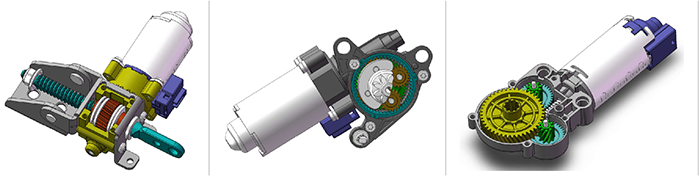
Analyzing the Core Mechanics of a Seat Adjustment Motor
Integrating a dedicated seat adjustment motor into an automotive seating structure demands a balance between space optimization and high torque output. These components must deliver consistent force to manage heavy mechanical loads, including the occupant’s weight and the friction of the seat tracks, while operating within highly confined structural envelopes under the seat cushion. At our manufacturing facilities, we customize micro-motor solutions with tailored gear ratios and housing configurations to match precise mechanical interfaces. Our motion platforms allow global tier-1 automotive clients to deploy seating configurations that achieve smooth linear movement and quiet operation. By leveraging our deep database of automotive motion profiles, we ensure that every custom module we deliver aligns with the stringent noise and vibration standards expected in modern passenger vehicles.
Understanding the Difference Between PMDC and BLDC Motor Technologies
Selecting the appropriate drive architecture requires a rigorous technical comparison, specifically analyzing the structural difference between PMDC and BLDC motor configurations. Permanent Magnet DC units utilize mechanical brushes for commutation, delivering exceptional starting torque and straightforward voltage-based speed control, which makes them highly cost-effective for standard intermittently operated seating axes. Conversely, Brushless DC systems replace mechanical brushes with electronic commutation, significantly reducing physical wear, lowering electromagnetic interference, and providing precise multi-axis positioning. For advanced automotive memory seating systems that require variable speed profiles and continuous synchronization with other cabin electronics, brushless variants offer distinct operational longevity. Our engineering platform addresses these technical trade-offs by modifying standard data models of both architectures, allowing clients to deploy the exact technology combination required for their specific torque and duty-cycle targets.
Conclusion: Engineering Specialized Motion Solutions for Automotive Seating
The decision-making process behind modern electric seat adjustment systems highlights the necessity of matching the correct motor morphology with specific functional requirements. Whether an application demands the straightforward cost efficiency of brushed and brushless DC motor solutions—ranging from standard permanent magnet brushed units to advanced electronic brushless technology—or the smart, high-efficiency precision of fully integrated systems, technical alignment remains critical for cabin optimization. Our customizable engineering platform serves as an ideal development partner by transforming proven data models into specialized, production-ready motion systems. Through continuous refinement of micro-motor technologies and integrated gearboxes, we provide international automotive manufacturers with the precise technical capabilities and reliable supply chains needed to advance interior seating comfort and vehicle longevity worldwide.