Brushed vs Brushless DC Motor for Automotive Applications
Automotive engineering requires reliable motion control solutions that balance efficiency, cost, and longevity. Over the past two decades, our team at Power Motor has engineered varied vehicle electrical systems, ranging from seat adjustments to steering assistance. When tier-1 suppliers and purchasing managers evaluate a brushed and brushless dc motor for vehicle integration, they must weigh specific mechanical characteristics against the precise operational environment. Modern vehicle architectures demand a deeper look into how these two distinct motor topologies perform under the hood and inside the cabin.
Technical Trade-offs in Modern Vehicular Actuators
Deciding between these two technologies typically centers on maintenance limits and overall operating efficiency. Standard brushed options rely on mechanical commutators and carbon brushes to deliver power to the rotor, creating a straightforward design that reduces initial development costs. However, this mechanical contact inevitably leads to friction and gradual wear, which can introduce physical debris over extended operating cycles. In contrast, a BLDC car motor utilizes electronic commutation, eliminating physical brushes to achieve a longer operational life, lower acoustic noise, and reduced electromagnetic interference (EMI). These characteristics make electronic commutation highly suitable for continuous-duty applications like engine cooling fans, electric water pumps, and power steering systems.
Optimizing Control Architectures for Vehicle Systems
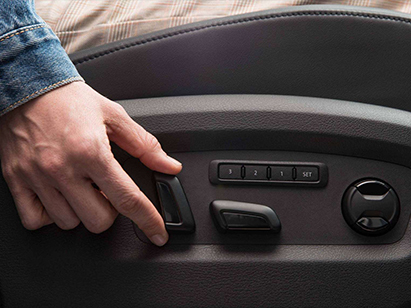
System integration requires more than just selecting the right motor; it demands an appropriate control framework to manage power distribution effectively. Implementing a reliable brushed dc motor controller allows engineers to achieve precise voltage regulation and smooth speed adjustment for simpler automotive sub-systems like power windows, mirrors, and automated seat adjusters. While brushless systems need complex electronic speed controllers (ESCs) to monitor rotor position via Hall effect sensors, brushed systems maintain a clear structural advantage in terms of circuit simplicity and lower immediate material costs. Our engineering platform works to optimize these controller setups, ensuring the final assembly maintains stable thermal management and complies with strict automotive EMC regulations.
Conclusion: Engineering the Right Motion Solution
Choosing between brushed and brushless DC motors for automotive applications involves a careful balance of product lifespan, control complexity, and project budget constraints. At Power Motor, we utilize our verified data models and application database to help procurement teams select or modify the exact motor and gear configuration required for their specific vehicle platforms. Whether your project requires the cost-effective simplicity of traditional brushed systems or the high-efficiency endurance of brushless technology, aligning the technical specifications with the exact operational environment ensures long-term system reliability.