Understanding How Linear Motors Work in Modern Motion Systems
When we discuss motion solutions used in different applications, understanding how a linear motor functions becomes essential. At Power Motor, we often work with systems that rely on precise and stable movement, and this is closely related to the principles behind a linear motor. Although our work covers different motion technologies, including the car seat motor, learning how linear motion is generated helps us evaluate and design better systems for our customers. A linear motor converts electrical energy directly into straight-line motion without using mechanical transmission, allowing controlled force and smooth travel. This direct-drive design supports applications that require accuracy and consistent performance.
How Linear Motors Deliver Direct Motion
A linear motor operates by spreading the components of a rotary motor into a flat, unwrapped structure. Instead of producing rotation, the electromagnetic field drives a slider or moving part along a track. In our engineering work, this concept helps us understand how direct-drive systems compare with solutions such as the car seat motor that rely on gear mechanisms. With electromagnetic force acting along the length of the motor, the system provides repeatable positioning and stable operation. We frequently evaluate whether linear actuation or traditional geared movement is more suitable for customer projects, depending on force output, operating noise, and environmental demands.
Applying Linear Motion Knowledge to Our Product Development
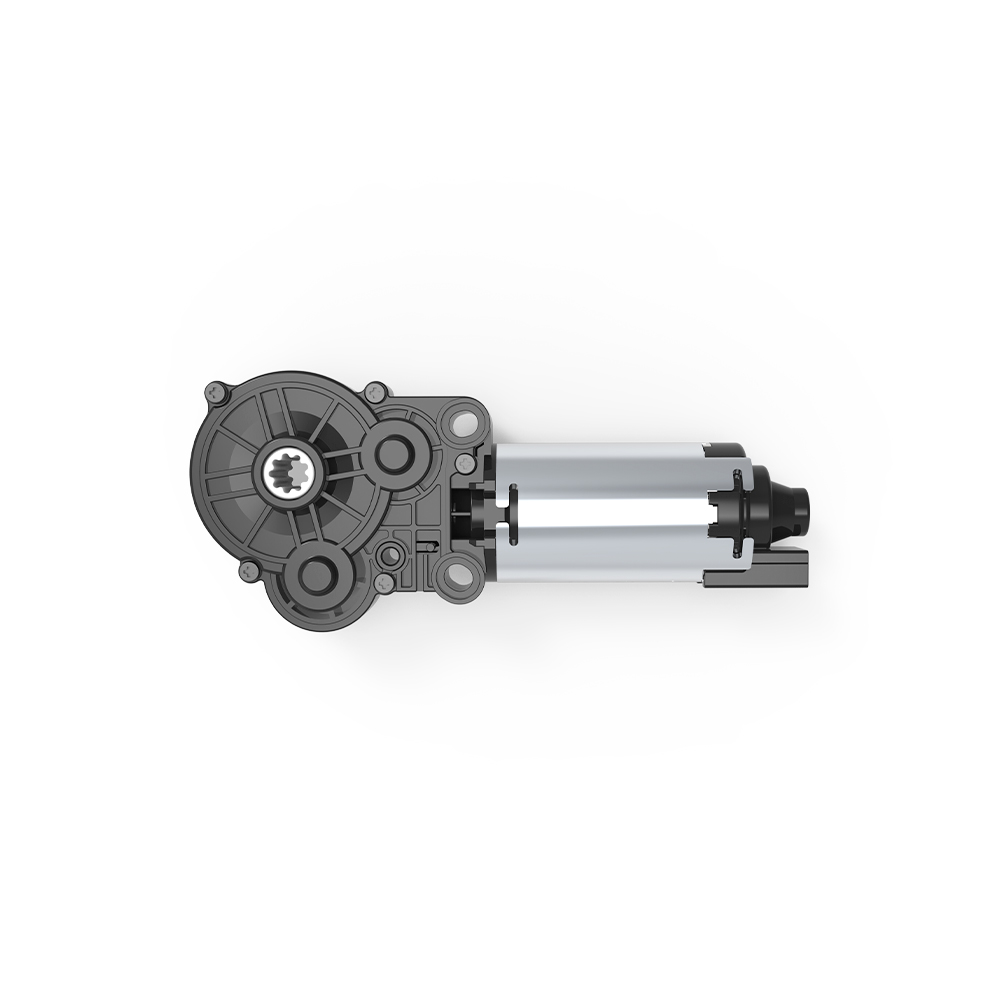
While our core products use geared drive structures rather than linear coils, understanding linear motion principles improves how we develop solutions like our seat-adjustment systems. One example is our Power Motor solution for seating applications—the Power Seat Adjustment Motor, Model PGM-WH60D Series, which incorporates a 12V configuration, 12 N·m torque, 15W power output, and 13 rpm operating speed. It is designed for high torque, long life, and low noise, which are essential for stability in motion-control environments. When working with a car seat motor, we analyze linear-style motion to guide our tuning of force distribution, smooth travel, and structural durability, ensuring that each system meets specific requirements.
Conclusion: Connecting Linear Motor Concepts With Practical Design
Understanding how a linear motor operates gives us a clear foundation for designing and evaluating motion systems across different applications. Although our solutions such as the car seat motor use geared mechanisms rather than direct-drive linear coils, the working principles of linear motors influence how we optimize travel smoothness, load capacity, and response characteristics. By studying the behavior of linear actuation, we can refine our engineering decisions and ensure that every system we deliver reflects stable performance and practical application value.