Selecting a Micro Gear Motor for Real Engineering Requirements
Choosing a micro gear motor begins with a clear understanding of the real conditions the mechanism will face. At Power Motor, we first look at the forces, movement patterns, and space limitations that shape the operating environment. A micro gear motor used in systems such as a car seat motor must deliver stable adjustment performance while staying quiet and efficient during repeated motion. These requirements guide us in defining torque range, speed behavior, and durability expectations. By focusing on these fundamentals, we create a practical starting point for determining the most suitable configuration and ensuring long-term reliability.
Matching Micro Gear Motor Design With Application Needs
Our engineering team uses a detailed evaluation process to match a motor structure with the functional demands of each application. We examine torque curves, gearbox materials, mounting design, and motion direction to make sure the selected micro gear motor aligns with the customer’s technical goals. Applications similar to a car seat motor often require strong low-speed torque and consistent bidirectional motion, so we refine parameters to achieve smooth operation under varying loads. Space constraints and wiring layouts also influence the final choice, as these factors shape how the motor integrates with the product’s mechanical system. By balancing these considerations, we ensure that our solution remains both efficient and dependable.
Example Reference: Micro Gear Motor for Seat Adjustment
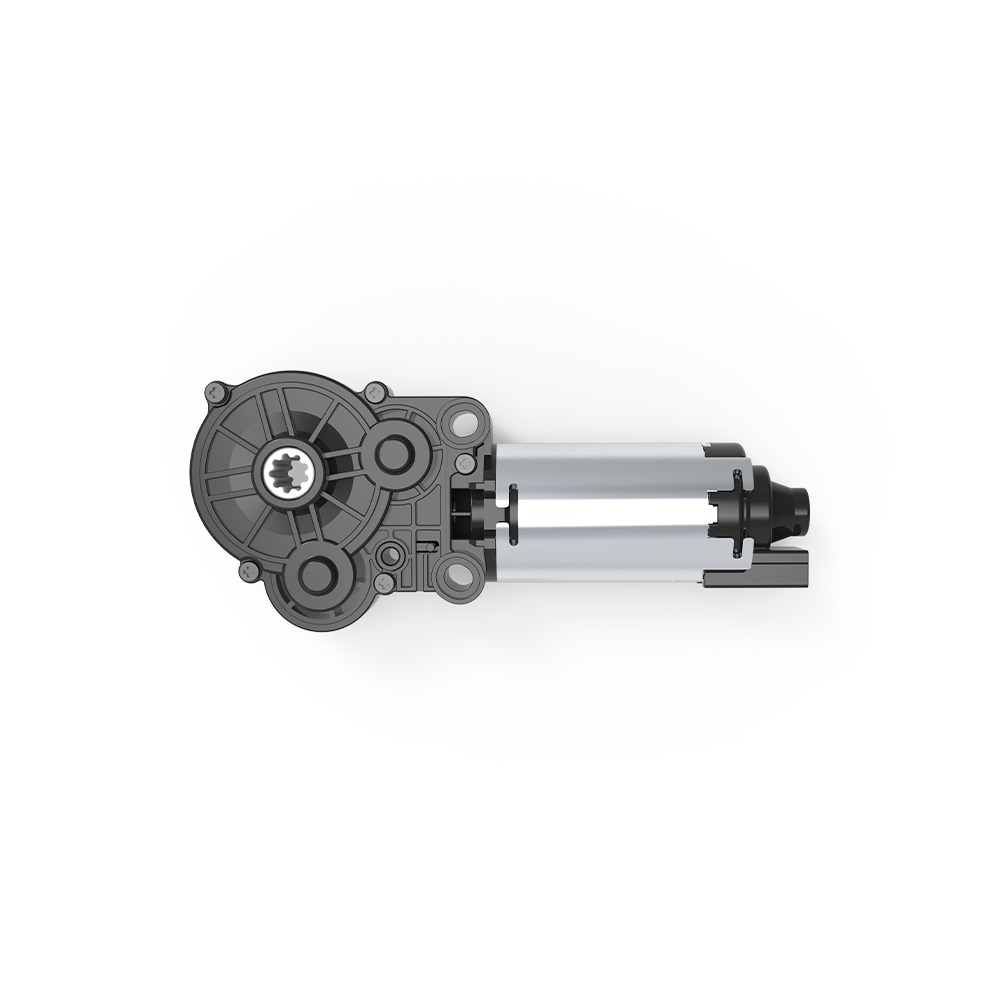
To help customers review options more clearly, we provide reference configurations from Power Motor that illustrate how torque, voltage, and structural elements work together. One example is our PGM-WH60D Series power seat adjustment motor, featuring a 12V system, 12N·m torque output, 15W power rating, and 13rpm speed. This motor offers high torque performance, long service life, and low noise, making it suitable for compact adjustment mechanisms used in structures much like a car seat motor. While each customer project requires a customized assessment, this reference indicates how we evaluate the relationship between gearbox ratios, motion requirements, and environmental conditions when selecting a micro gear motor. It also highlights how motor-gearbox integration supports smooth and predictable movement.
Conclusion: Creating A Clear Path for Micro Gear Motor Selection
A well-defined selection method helps us recommend micro gear motors that support stable operation and practical performance across different applications. By reviewing torque needs, movement patterns, installation space, and environmental factors, we can guide customers toward solutions that fit both technical expectations and long-term reliability goals. Whether the system resembles a car seat motor or another controlled-motion mechanism, identifying core requirements early leads to better decision-making. At Power Motor, we continue improving our engineering approach so that each micro gear motor we deliver operates consistently and integrates smoothly into its intended application.