Choosing the Proper Voltage for Reliable Motor Performance
When we evaluate how to choose the right voltage for customer applications, we focus on matching performance, durability, and system compatibility. As Power Motor, we have worked with various motion projects where voltage decisions influence torque output, lifespan, and noise levels. Selecting the correct level is not only a technical choice but also a practical one, especially when designing components around a car seat motor or other customized systems. Our engineers review operating environments, load conditions, and installation constraints to determine which voltage range maintains stable performance without placing unnecessary stress on the motor or the customer’s equipment. In this process, the experience we have accumulated as a DC electric motor manufacturer helps us interpret data and provide guidance that aligns with actual usage scenarios.
How Voltage Influences System Behavior
Voltage directly affects rotational speed, torque, and the temperature profile of the motor. When customers approach us with new motion requirements, we begin by understanding their power supply methods and structural limitations. If the voltage is too low, the motor may struggle when load conditions shift. If the voltage is too high, heat and vibration may increase, which can influence durability. For projects involving a car seat motor, the chosen voltage must support smooth movement and consistent response without affecting comfort or system noise. Because we operate as a DC electric motor manufacturer, our teams work closely with design engineers to interpret current draw, startup behavior, and continuous load demands. These details ensure that our recommended voltage remains practical for both prototypes and long-term production.
Applying Voltage Selection to Real Products
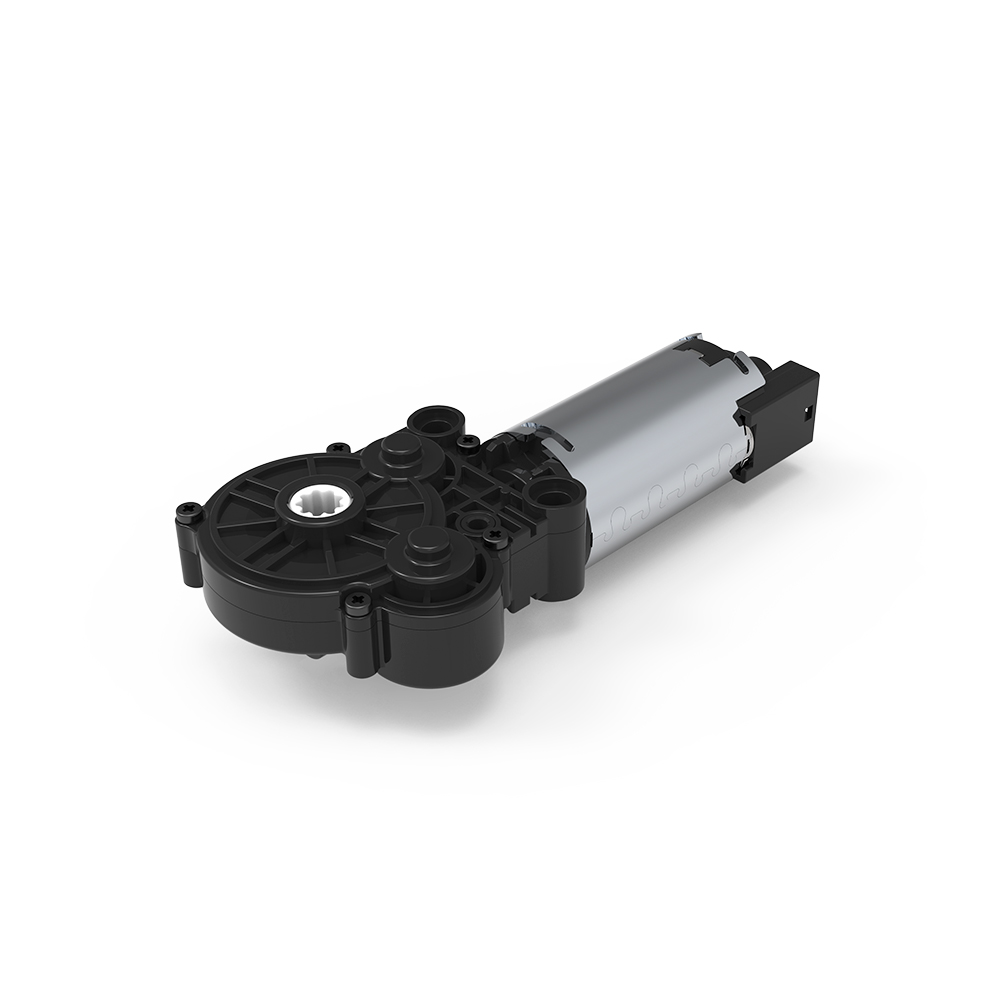
We follow this same evaluation process in our own development work. One example is our Power Seat Adjustment Motor, Model PGM-WH60D Series. It operates at 12V and is designed with a torque of 12 N.m, power of 15W, and a speed of 13 rpm. The structure supports high torque, long service life, and low noise, which are essential in seating systems that move slowly but must maintain stability. When we choose the voltage for this motor, we consider how users interact with the system, how frequently adjustments occur, and how the overall mechanism absorbs load changes. By aligning voltage with its intended function, we allow the motor to deliver reliable performance without unnecessary strain. This practical approach is the same one we apply when helping customers determine appropriate voltage levels for their projects.
Conclusion: Voltage Decisions Based on Real Needs
Choosing the right voltage depends on understanding how the motor behaves under operating conditions and how the surrounding system supports it. By reviewing power availability, mechanical load, and expected work cycles, we help customers select a voltage that balances output and longevity. Whether the application involves a car seat motor or another motion solution, our role as a DC electric motor manufacturer allows us to guide voltage decisions based on tested designs and field experience. Through this method, we support projects that require dependable motion performance while keeping the overall system efficient and consisten