
End-product application
05 / 06Motorized roller blind
Motorized roller blind: The lifting load changes as the blind winds. Review winding resistance, travel and end-position holding.
Related models and specificationsParent applicationSmart Home↖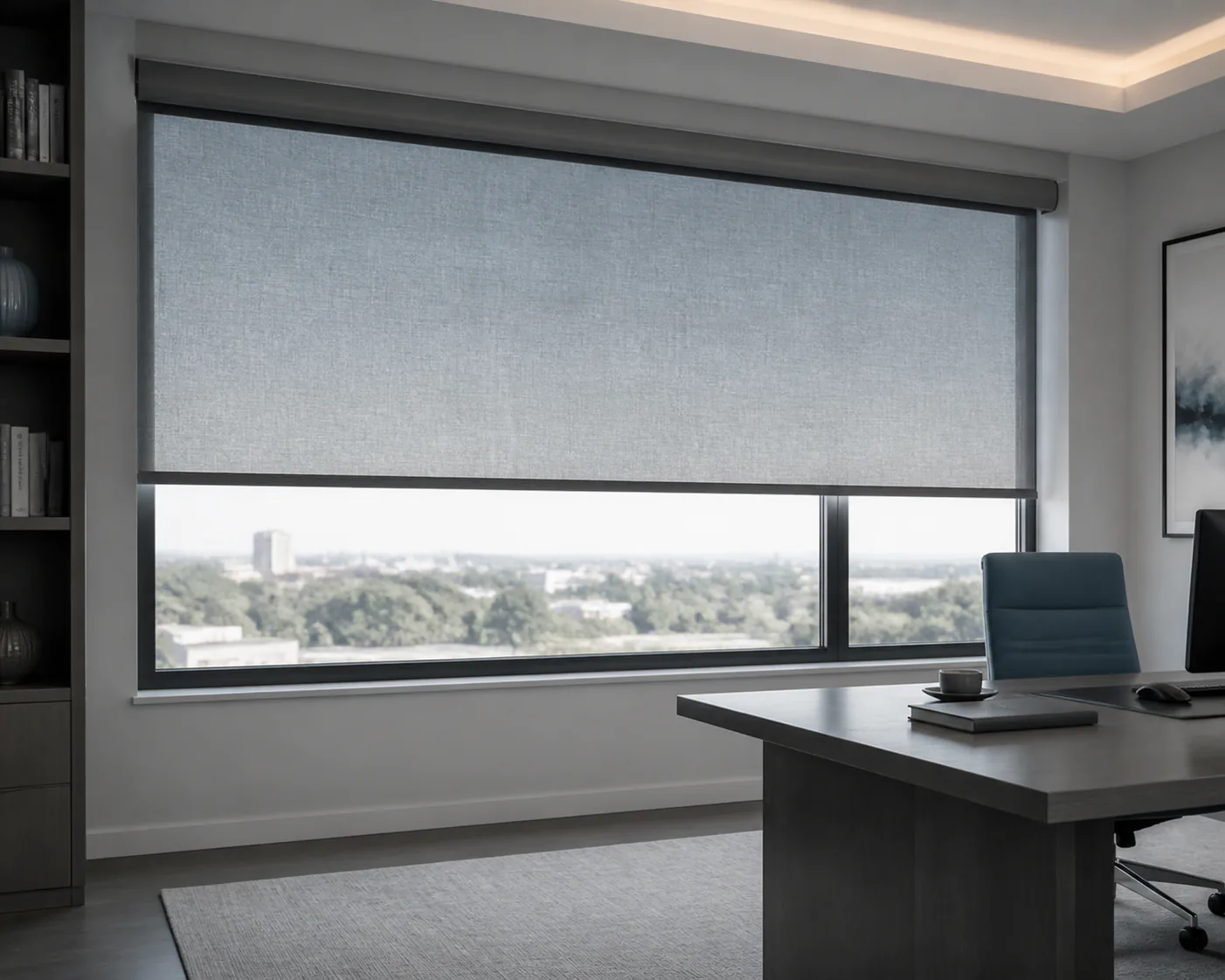
Related motors
Related models and specifications
Review the data and drawings as a starting point for selection.
Share your load, supply, installation space and control requirements. Our engineering team can help evaluate your options.
Final selection depends on load, supply, installation space, control requirements and complete-device validation.
Selection requirements
What do we need to know?
Please share the operating conditions below. The selected motor still needs testing in your equipment to confirm performance and fit.
Motion and load
the textile mass, opening and closing path, winding or guide resistance, end states, and abnormal conditions such as jamming
Power and control
power supply, start-stop and direction commands, end-position detection, adjustment, feedback, protection and manual operation
Space and interfaces
the envelope around the track or roller, interface to the textile, end-limit area, wiring, and service accessibility
Duty and environment
indoor temperature and humidity, dust, textile debris, acoustic expectations, contact by children or pets, and long standby periods
Testing and production
opening and closing result, end position, textile alignment, jam handling, noise, and consistency over repeated operation
Select motors for the actual operating conditions and validate them in the complete device.
Same application field
Related equipment
See selection requirements for other equipment in this field.

Need help choosing a motor?
Discuss your equipment requirements or drawings with our engineers.