How Brushed DC Motors Operate in Practical Applications
As a team at Power Motor, we often explain how brushed DC motors create motion in everyday systems, because the working principles guide many of our design choices. When we discuss brushed structures, we usually start with a simple point: current flows into the armature through brushes, and magnetic fields inside the motor interact with this current to produce rotation. As a DC electric motor manufacturer, we rely on this predictable electromagnetic mechanism when developing compact drive solutions for different customer requirements. The same principle applies whether the motor is integrated into precision tools or used alongside a car seat motor mechanism. By managing current paths, brush contact, and coil configuration, we ensure each unit delivers stable motion under consistent loads.
Components That Shape Motor Performance
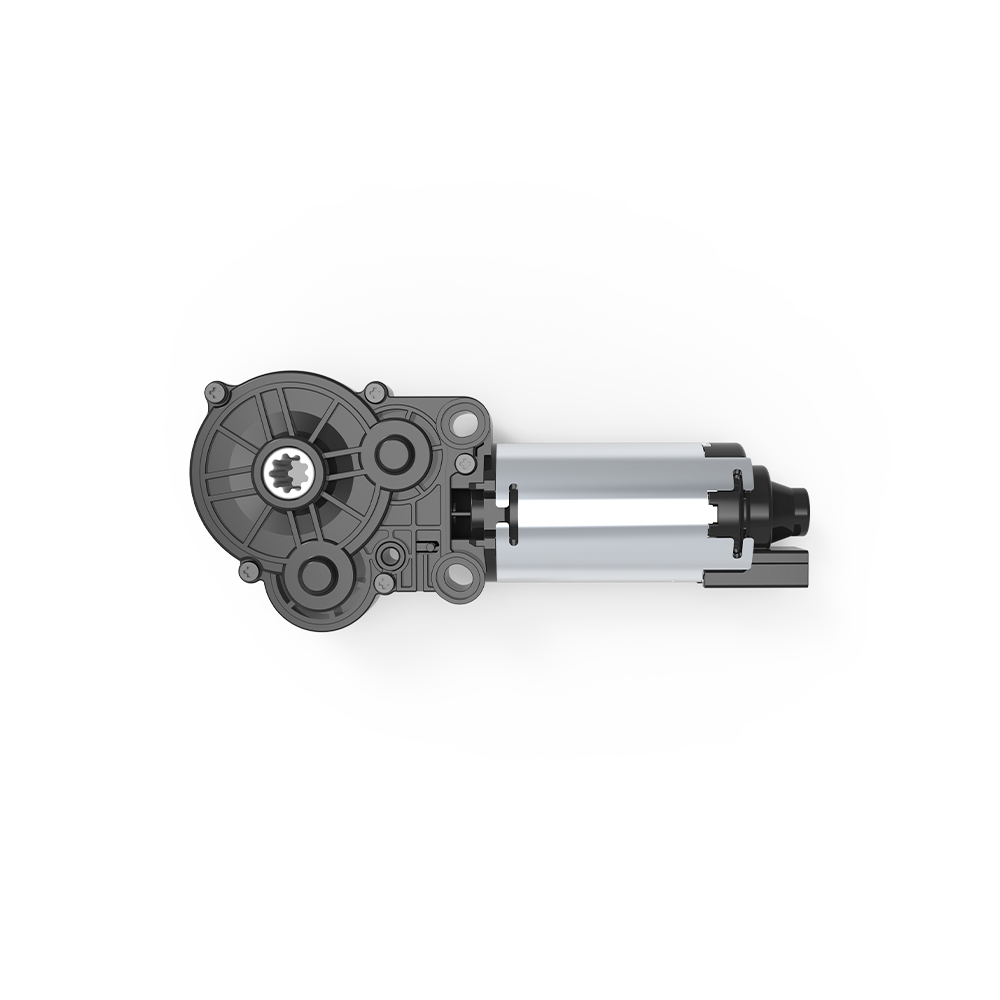
In our daily engineering work, we emphasize how each brushed DC motor is influenced by mechanical and electrical elements. The brushes regulate current delivery, the commutator switches polarity as the shaft turns, and magnetic components maintain a continuous force on the armature. These combined actions allow brushed motors to deliver smooth torque across a broad operating range. We often apply these principles when supporting custom requests from clients seeking a dependable car seat motor or when they need variations that fall within the scope of a DC electric motor manufacturer. To support these needs, we also provide detailed product information including our Power Seat Adjustment Motor, Model PGM-WH60D Series (12V), offering 12 N·m torque, 15 W power output, and 13 rpm rated speed. Its high-torque, long-life, and low-noise characteristics reflect how brushed DC motor fundamentals can be adapted to serve comfort-oriented automotive functions.
Applying Brushed Motor Principles to Customer Projects
We frequently apply these motor principles across multiple development stages. Since brushed DC motors respond quickly to voltage changes, we can help customers build controlled, low-speed motion systems, including those that contribute to comfort adjustments in vehicle interiors. During project evaluation, we study load curves, gear requirements, and expected cycle life to determine how brushed designs should be configured. Because Power Motor supports custom solutions, our experience as a DC electric motor manufacturer helps customers evaluate which brushed arrangement fits their application best. Some clients also integrate our PGM-WH60D model into assemblies where compact construction and torque stability matter more than speed, which is why it is often compared with other car seat motor options during early planning stages.
Conclusion: Consistent Motion Through Proven Design
Understanding how brushed DC motors work enables us to create reliable systems tailored to many industries. The interaction between current, magnetic fields, and switching components forms the foundation of every brushed motor we supply. By applying these principles, our company continues to support practical applications where controlled motion is required. Whether the goal is to enhance vehicles with a refined car seat motor or collaborate with a dependable DC electric motor manufacturer, we remain focused on providing solutions that reflect the fundamental strengths of brushed DC motor technology.