Understanding the Role of Brushless Motors in Modern Motion Systems
As we continue to expand the engineering capability of Power Motor, we often work with customers who want clarity on what a brushless motor offers in practical applications. A brushless motor uses electronic commutation instead of mechanical brushes to drive rotation, allowing us to design systems with improved durability, stable torque output, and higher operational efficiency. In our daily development work, the demand for solutions such as a car seat motor has shown how brushless designs support quiet performance and precise control. When explaining the fundamentals to customers, we emphasize that the structure of a brushless motor allows heat to be distributed more evenly, which contributes to consistent performance across a wide range of environments. This principle guides how we evaluate and implement motion solutions for different industries.
Benefits That Support Application-Level Requirements
In our experience providing customized projects, the absence of mechanical brushes helps reduce internal wear, which aligns well with long-term reliability requirements. We often apply this principle when assisting users who need stable positioning control, especially when working with teams seeking a dependable solution designed by a stepper motor manufacturer. Brushless systems also allow flexible integration with sensors and controllers, supporting more refined speed and torque management. These characteristics are frequently evaluated when we develop equipment involving adjustable mechanisms, including those relying on a car seat motor. Because electronic commutation can be tuned to specific application loads, we can design motion systems that support predictable movement, low maintenance needs, and stable performance in continuous operation.
How Brushless Designs Influence Our Development Approach
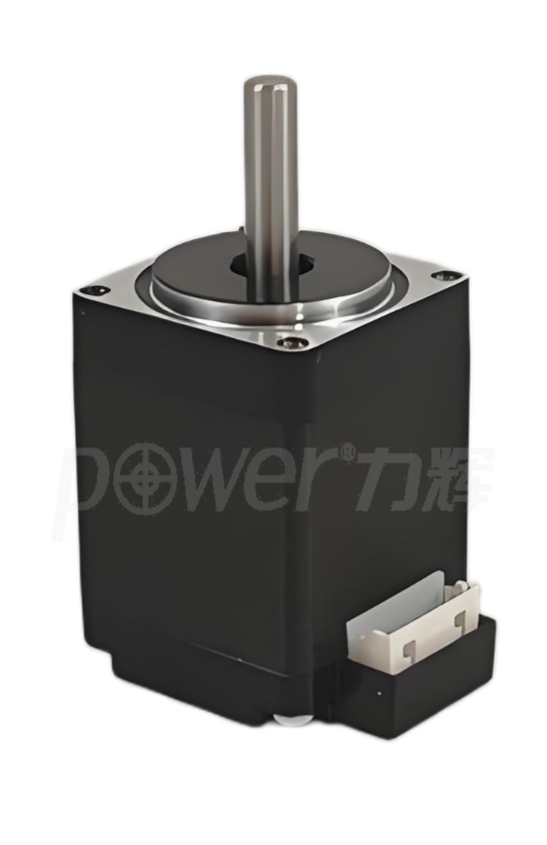
When we develop new concepts, we take into account how brushless characteristics contribute to compact structure, efficient power use, and balanced motion output. This approach directly influences the way we design modular platforms and integrate cross-compatible motor architectures. Our team uses this understanding to guide customized projects that require precise motion paths, especially for industries that choose to collaborate with a stepper motor manufacturer for adaptable, fine-control solutions. We also apply these principles when introducing products such as the 28 Series Stepper Motor (Model: PST.28HB-1.8°), which features small size, long life, and high precision. Although it is not a brushless motor, its characteristics reflect the same engineering discipline we apply across our portfolio.
Conclusion: Aligning Brushless Motor Features With Real Application Needs
Our work at Power Motor continues to show that understanding brushless motor fundamentals is essential for creating motion systems that can adapt to modern application requirements. From efficiency advantages to structural durability, these motors contribute to solutions that remain consistent and reliable across different use cases, including systems that incorporate a car seat motor or complementary stepper-based mechanisms. As we refine our development platform, we will keep applying these principles to help customers achieve stable performance and predictable results in their projects.