Guidelines for Controlling a BLDC Motor Using Arduino
At Power Motor, we constantly explore ways to provide precise and reliable motion solutions. One of our core products, the Power Seat Adjustment Motor (Model: PGM-WH60D Series), is a 12V high-torque device offering 12N.m torque, 15W power, and 13rpm speed. Designed for high torque, long life, and low noise operation, it serves as an ideal example of a car seat motor. Using an Arduino to control a BLDC motor supplier product like this allows for precise and flexible automation, making it easier to integrate into applications such as automotive seats or smart home mechanisms. We believe understanding the basic control principles is key to achieving smooth operation.
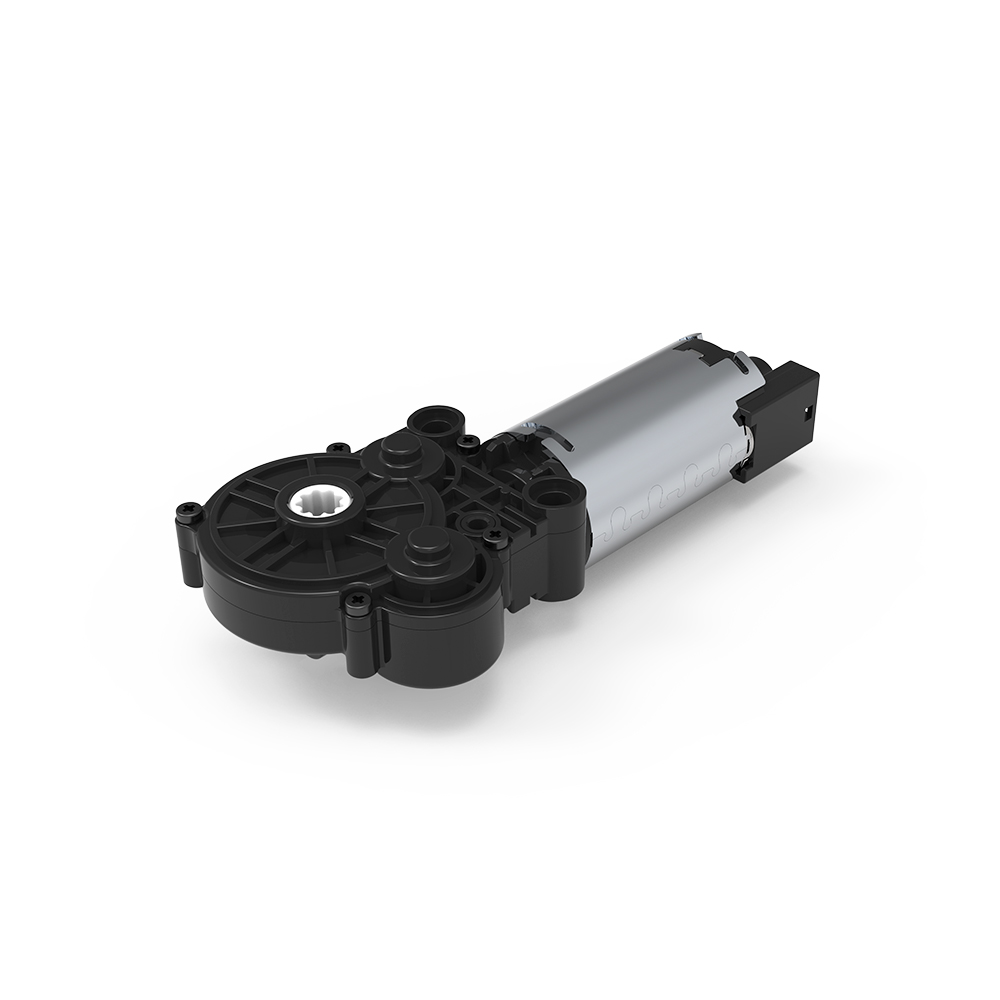
Preparing Your Arduino and Motor Setup
Before starting, we recommend ensuring the motor is securely mounted and connected to a suitable motor driver compatible with Arduino. Our Power Seat Adjustment Motor is built for durability and low noise, which simplifies the wiring process. As a BLDC motor supplier, we provide guidance on voltage, current, and signal requirements to ensure safe and efficient operation. We often advise users to check the connections twice to prevent issues and to use an external power source matching the motor’s 12V specification to avoid overloading the Arduino board.
Programming for Efficient Motor Control
Programming an Arduino to control a car seat motor involves generating PWM signals and setting the rotation direction accurately. We typically suggest using libraries or sample codes provided for BLDC motors, which streamline development and reduce errors. For our Power Motor devices, including the PGM-WH60D Series, programming can take advantage of torque and speed settings, optimizing performance. We emphasize gradual speed adjustments to maintain the long life and low noise operation of the motor while delivering smooth motion in seat adjustment systems or other applications.
Advanced Tips and Troubleshooting
To maximize efficiency, we recommend monitoring motor temperature and current draw while operating. As a BLDC motor supplier, Power Motor highlights that consistent maintenance and proper usage prolong lifespan. If the motor exhibits unexpected behavior, checking wiring, PWM signals, and load conditions is crucial. Our engineers suggest logging performance data during testing to identify anomalies early. This approach ensures our car seat motor continues to deliver high torque and reliable performance across diverse applications.
Conclusion: Integrating BLDC Motors Successfully
Successfully controlling a BLDC motor supplier product with Arduino requires careful setup, accurate programming, and thoughtful monitoring. At Power Motor, our Power Seat Adjustment Motor demonstrates the combination of high torque, long life, and low noise, making it suitable for automotive, industrial, and smart home solutions. By following these steps, users can leverage Arduino to manage speed, direction, and torque efficiently. We continue to support clients seeking flexible and dependable motion solutions, aligning with our commitment to quality and innovation in motor technology.