Can You Manually Adjust a Power Seat? Understanding the Mechanics and Solutions
We’ve all experienced the convenience of a power seat adjustment motor in our cars, offering the luxury of effortless seat positioning. This feature is powered by advanced brushed and brushless DC motors, which make adjusting the seat a smooth and easy process. However, what happens when your power seat motor malfunctions? Is it possible to manually adjust the seat in such situations? In this article, we'll explore this question and dive deeper into how brushed and brushless DC motors work in the context of seat adjustment motors.
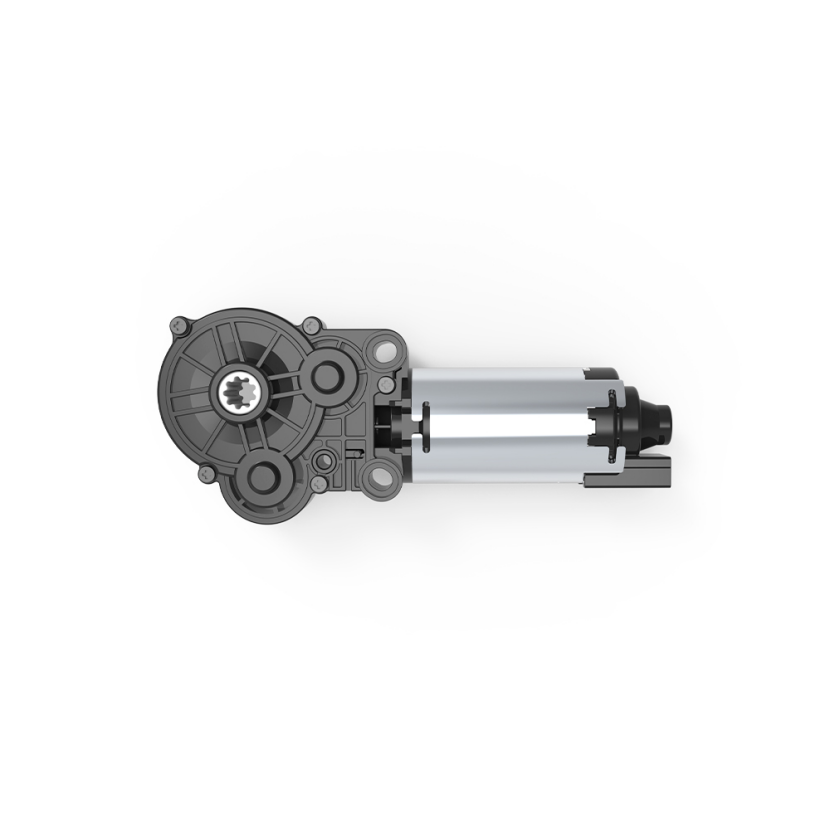
How Do Power Seat Adjustment Motors Work
The power seat adjustment motor is designed to adjust your car's seat position electrically, usually via a switch or a control panel. This motor, specifically the PGM-WH60D Series, operates on 12V of power, delivering a torque of 12N.m, which allows for smooth movement and reliable performance. The brushed and brushless DC motors in the seat adjustment mechanism provide either a steady or variable speed depending on the motor type. Brushless DC motors are often chosen for their superior efficiency and quieter operation, while brushed DC motors offer cost-effectiveness and reliability.
What Happens If the Power Seat Motor Fails
A failure in the Power Motor seat motor can occur due to various factors, such as a blown fuse, a faulty switch, or wear and tear of the motor itself. Brushed DC motors, like those commonly found in power seat applications, tend to wear out faster due to friction, while brushless DC motors offer a longer lifespan with minimal maintenance. When a motor fails, the first step is to check the electrical connections and power supply. If the issue isn't related to the fuse or wiring, the motor itself may need to be replaced. This is especially important when dealing with the Power Motor PGM-WH60D Series motor, as its specialized components are designed for efficient movement over time, offering durability and performance.
Can You Adjust the Power Seat Manually
While it's technically possible to adjust the seat manually, doing so can be a bit tricky. Some seats have a manual override that allows for manual adjustments in the event of a power failure. However, not all power seat adjustment motors are designed with this feature, especially those that use advanced brushless DC motors. If you find yourself in a situation where you need to adjust your seat manually, safety is paramount. Ensure you are not damaging the motor or the seat structure. If you're unsure, it's always best to call in a professional who understands the complexities of the PGM-WH60D Series motor.
Conclusion
In conclusion, although power seat adjustment motors provide unparalleled convenience, they are not typically designed for manual adjustment. If your power seat motor fails, understanding the role of brushed and brushless DC motors can help you troubleshoot the problem. While you can attempt to adjust the seat manually in some cases, it's always best to seek professional assistance to ensure the issue is resolved without causing further damage.