How a Brushless Motor Encoder Works in Automotive Applications
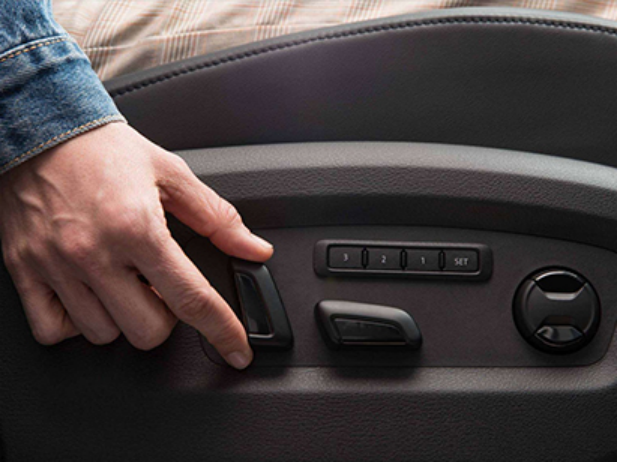
In the past, manual seat adjustments were the norm in most vehicles. Today, the growing demand for comfort and safety has led to the widespread adoption of power seats powered by brushed and brushless DC motors. These motors allow for effortless seat adjustments, making long journeys more comfortable. But have you ever wondered how these seats know exactly where to move? The answer lies in the brushless motor encoder, a key component that works seamlessly with the motor to provide precise control over seat positioning.
The Basics of Brushless DC Motors and Their Role in Automotive Applications
At the core of many modern automotive seat systems is the brushless DC motor. Unlike traditional brushed motors, brushless motors have no physical brushes, which means they are more efficient, have a longer lifespan, and produce less noise. In automotive applications, they provide smoother and more reliable performance, especially in power seats. When a driver or passenger presses a button to adjust the seat, the brushless DC motor kicks into action, turning electrical energy into mechanical movement. This ensures that the seat adjusts smoothly, without any jerks or sudden movements.
How Brushless Motor Encoders Contribute to Accurate Seat Adjustments
The next crucial component is the brushless motor encoder, which helps the motor know exactly where to stop. Encoders work by tracking the rotation of the motor's shaft and providing feedback to the control system. This feedback ensures that the Power Motor system knows the exact position of the seat, allowing for precise adjustments. Without an encoder, the seat might not stop at the desired position, leading to discomfort or even safety issues for the driver. The integration of the brushless motor encoder with the brushed and brushless DC motors ensures that the seat adjusts to the most comfortable and ergonomic position every time.
Key Components and Technology Behind Brushless Motor Encoders in Power Seats
The technology behind brushless motor encoders is fascinating. At the heart of these encoders are sensors that detect the rotation of the motor’s shaft. These sensors rely on magnetic fields to generate electrical signals that correspond to the motor's position. This information is then sent to the control unit, which adjusts the motor's output to position the seat exactly where it's needed. Over the years, Power Motor and other manufacturers have refined this technology to make seat adjustments faster, quieter, and more accurate. The result is a system that enhances comfort, reduces driver fatigue, and contributes to a safer driving experience.
Conclusion
In conclusion, the brushless motor encoder plays an essential role in the precision and reliability of modern automotive power seats. By providing feedback to the brushless DC motor, it ensures that the seat adjusts smoothly to the optimal position, whether for short commutes or long drives. With the advancements in Power Motor technologies, we can expect even more innovations in automotive seating systems, further enhancing comfort and safety for drivers and passengers alike.