
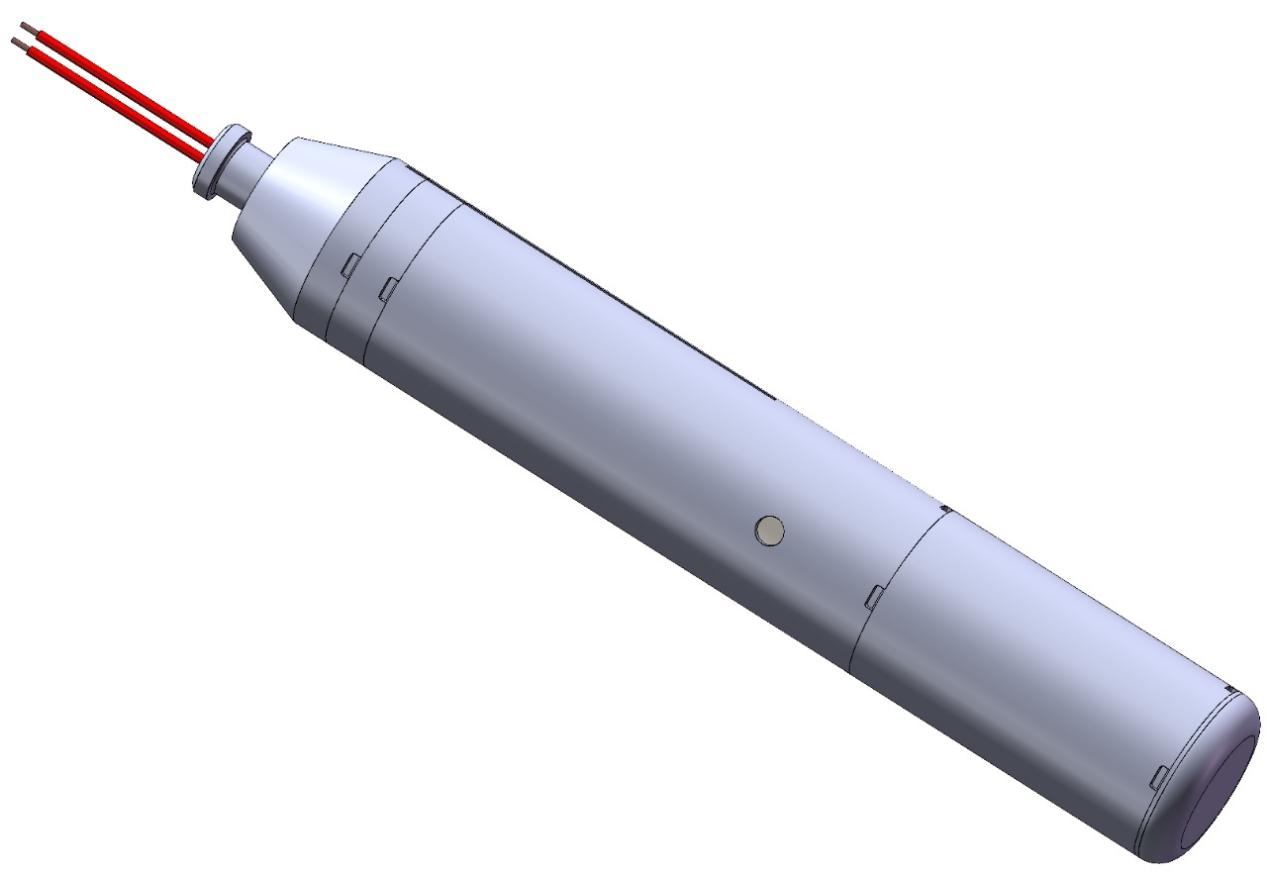
Evaluate a reciprocating vibration motor by its motion, mounting, control, sound and durability under the intended device conditions.
Specify motion and integration
Define the required stroke, frequency, moving load and operating cycle together with available space, mounting and supply. Motor dimensions alone do not describe the motion at the finished device or establish compatibility with its mechanism.
Compare sound under the same conditions
Specify the fixture, housing, operating mode, load, measurement distance and background sound before comparing results. A design change can affect sound, but a low-noise claim requires results for the identified configuration in the stated setup.
Define a durability test and failure criteria
- Record the motor, driver, mechanism and assembly revision.
- State run and rest times, load, environment and the target operating cycles.
- Define acceptance limits for motion, current, sound, wear and failure.
- Report the sample count and results before making a service-life comparison.
This overview does not assign a guaranteed noise level or service life to a motor platform. Discuss a candidate configuration and the evaluation plan before making a selection.