
Compare linear-motion architectures by travel, force, feedback, mechanical interfaces and validation needs before selecting a drive for medical equipment.
Distinguish the actuator from the complete axis
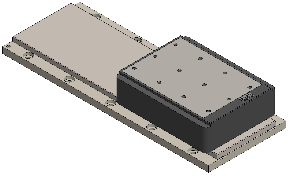
A direct linear motor produces linear force without converting rotary motion through a screw or belt. A rotary motor with a transmission is another architecture. The motor alone does not determine positioning accuracy: guidance, sensing, control, structural stiffness and the load also contribute.
Define the mechanism before choosing a route
| Architecture | Items to evaluate |
| Direct linear motor | Required force over travel, guidance, position feedback, heat removal and holding behavior |
| Rotary motor with transmission | Motor operating point, transmission ratio, efficiency, backlash, wear and output loads |
| Complete axis | Motion profile, repeatability, stopping behavior, space and integration with the equipment |
These are architecture-level considerations, not a statement that the alternatives are interchangeable or that every listed architecture is a Power Motor product. A general medical application description is not evidence of suitability for a particular device.
Agree verification at equipment level
- Define travel, speed, acceleration, force and duty at the load.
- Specify position sensing, control interfaces, stopping and power-loss behavior.
- Record the environment, cleaning constraints, heat paths and accessible surfaces.
- Agree equipment-level risk controls, acceptance criteria and the documents needed for the intended project.
Do not transfer accuracy, throughput or service-life figures from an unrelated axis or medical system. Such results require a named assembly, measurement method and test conditions. Selecting a motor does not establish clinical performance or medical-device approval.
Prepare an engineering inquiry
Share the mechanism drawing and operating conditions to discuss an appropriate motor route. The following application index is a starting point for requirements, not confirmation of a compatible linear drive or a certified medical assembly.
Medical and healthcare application requirements