
Slicer drive noise can originate in gear meshing, shaft alignment, bearings and vibration paths. This guide outlines checks for the motor, worm drive and complete mechanism.
For household meat slicer applications, the meshing accuracy between the universal motor worm gear shaft and plastic gears is a critical factor determining product performance, directly impacting operational noise levels and lifespan. To address customer concerns about gear transmission noise, in addition to selecting the right gear grease, we have integrated multi-disciplinary technologies—including mechanical design, materials engineering, and acoustic analysis—to propose a comprehensive solution based on KISSsoft gear design platform and NVH (Noise, Vibration, and Harshness) analysis.
1. Gear Tooth Profile Optimization
Using KISSsoft for gear parameter design, key parameters include:
· Module (m)
· Pressure Angle (α)
· Helix Angle (β)
· Addendum Coefficient
· Root Fillet Radius
2. Worm Shaft & Gear Tolerances Control
· Center Distance Tolerance
· Backlash Tolerance
· Lead Deviation
3. NVH Validation
· Vibration Spectrum Analysis
· Subjective Noise Evaluation
4. Pre-Assembly Quality Control
· Dynamic Run-in Testing
· Runout & Vibration Level Inspection
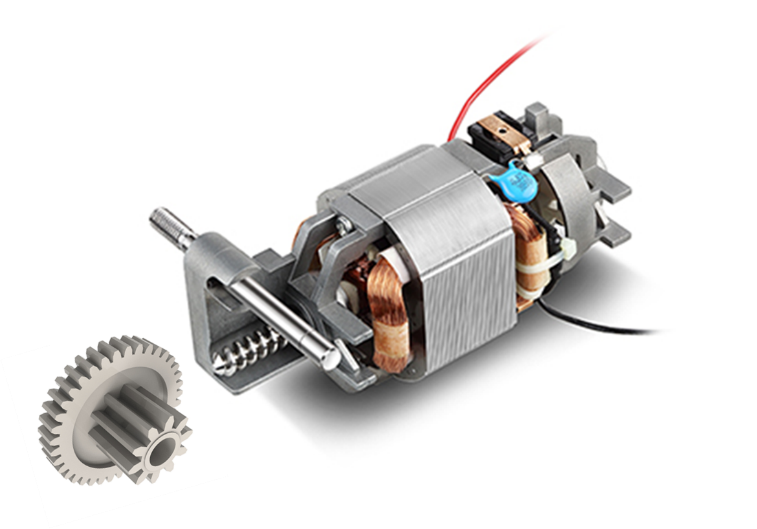
This solution ensures optimal dynamic performance through precise gear parameter optimization, strict tolerance control, and multi-stage pre-assembly testing. By combining parametric modeling, NVH data iteration, and pre-assembly verification, we effectively eliminate common issues such as whining, rattling, and impact noise.
Shenzhen Power Motor Co., Ltd has an experienced sales and R&D teams to provide reliable, cost-effective solutions tailored for your product. We collaborate closely to bring your product to market successfully.
For a motor selection enquiry related to this article, share the application, supply, load, duty cycle and installation requirements through our contact page.
Note: This article is contributed by sales department