
It is common knowledge that electric motors can be generally categorized into AC and DC motorsdepending on the different types of electrical power they use. Further, as AC power can come in single-phase and three-phase forms, there are single-phase and three-p
It is common knowledge that electric motors can be generally categorized into AC and DC motors depending on the different types of electrical power they use. Further, as AC power can come in single-phase and three-phase forms, there are single-phase and three-phase motors.
Then, what's the difference, and which type is right for your products? In this guide, Power Motor will give a comprehensive analysis of single-phase vs. three-phase motors, explaining their respective workings, applications, advantages, and disadvantages.
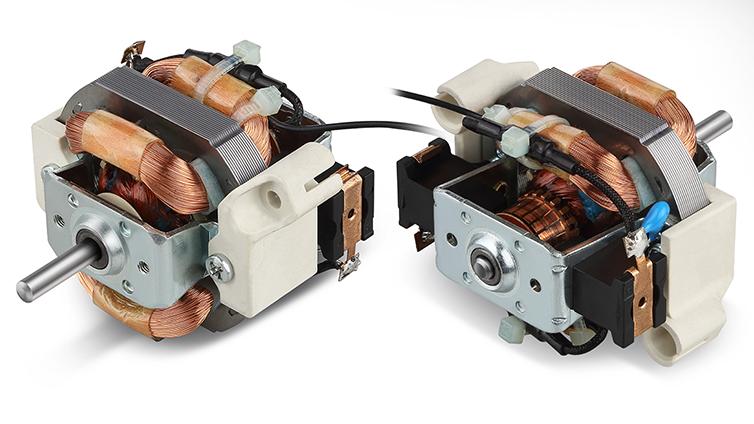
Example Shown: Hair Dryer AC Universal Motor
What is a Single-Phase Motor?
A single-phase electric motor relies on a single-phase power supply, which contains one hot/active wire and one neutral wire. The single-phase alternating current changes its direction at each half-cycle, as the periodic sine wave demonstrates.
This helps generate alternate fields when the current runs through coils on the rotor and stator part of the motor, which then makes the rotor move. It should be noted that the single-phase motor cannot start its operation by itself. Therefore, they need an extra capacitor for startup.
1. Applications of Single-Phase Motors
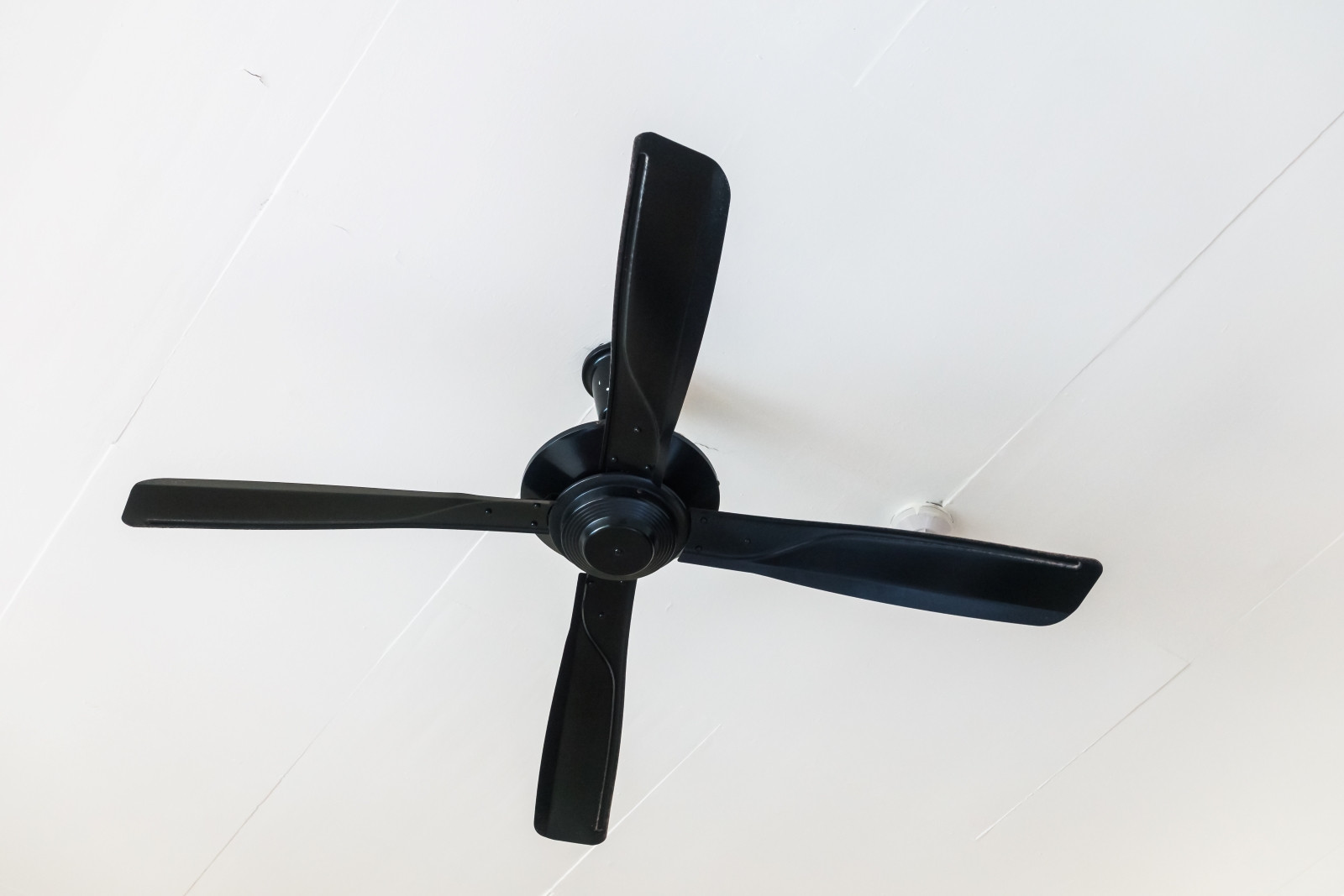
Single-phase motors typically have a limited horsepower of up to 10 hp. This makes them usually employed in smaller applications in household or non-household facilities, such as fans, refrigerators, air conditioners, door opening/closing systems, and more.
2. Advantages of Single-Phase Motors
l They require less power to function.
l Their simpler designs make them typically cheaper than three-phase motors.
3. Disadvantages of Single-Phase Motors
l They are less efficient.
l They tend to have a shorter service life compared to 3-phase motors.
What is a Three-Phase Motor?
Three-phase motors run on a three-phase power supply, which requires one neutral wire and three hot wires. The fact that each phase is 120 degrees apart results in a continuous and balanced power wave, making these motors inherently self-starting and highly efficient.
As for the design, three-phase motors have three separate coils on the stator, each connected to one power line. The rotor part converts electrical energy into mechanical energy through the process of electromagnetic induction, which in turn drives the connected mechanical load to rotate.
1. Applications of Three-Phase Motors
In the comparison of single-phase vs. three-phase motors, three-phase motors provide higher horsepower, up to about 400 hp. This makes them ideal for larger applications in industrial and commercial scenarios. Some application examples are power conveyors, lathe machines, grinding machines, and more.
2. Advantages of Three-Phase Motors
l They are more powerful and efficient in handling high-electricity-demanding facilities.
l Their robust designs can make them last longer than one-phase motors.
l 3-phase motors are less noisy when operating, as they can function more smoothly due to the constant power wave.
3. Disadvantages of Three-Phase Motors
l It costs more to buy, install, and maintain three-phase motors.
l The three-phase power supply may not be accessible in all places.
Comparing the Difference between One-Phase and Three-Phase Motors
| Single-Phase vs. Three-Phase Motor: Key Differences | ||
| Feature | Single-phase Motor | Three-phase Motor |
| Power Supply | Single-phase AC | Three-phase AC |
| Starting Mechanism | Requires external starting aid | Self-starting |
| Efficiency | Lower | Higher |
| Cost | Lower | Higher |
| Noise and Vibration | Higher | Lower |
| Load Handling | Suitable for low-power tasks | Ideal for high-power tasks |
| Applications | Residential, small appliances | Industrial/commercial, heavy machinery |
Power Motor has a depth of expertise in different types of electric motors. The above may summarize or introduce single-phase and three-phase motors in an overall way. You can have your own motor solution by contacting Power Motor, as we specialize in different motors, including universal motors, BLDC motors, gear motors, and more.
Conclusion
Here, we reach the end of the comparison of single-phase vs. three-phase motors. The choice between a single-phase and a three-phase motor depends on the specific demands of your application. It is possible if you find neither of them suits your needs, as there are more motor types to explore. Contact Power Motor and let us help you with our professional motor knowledge and offer you tailored motor solutions!